


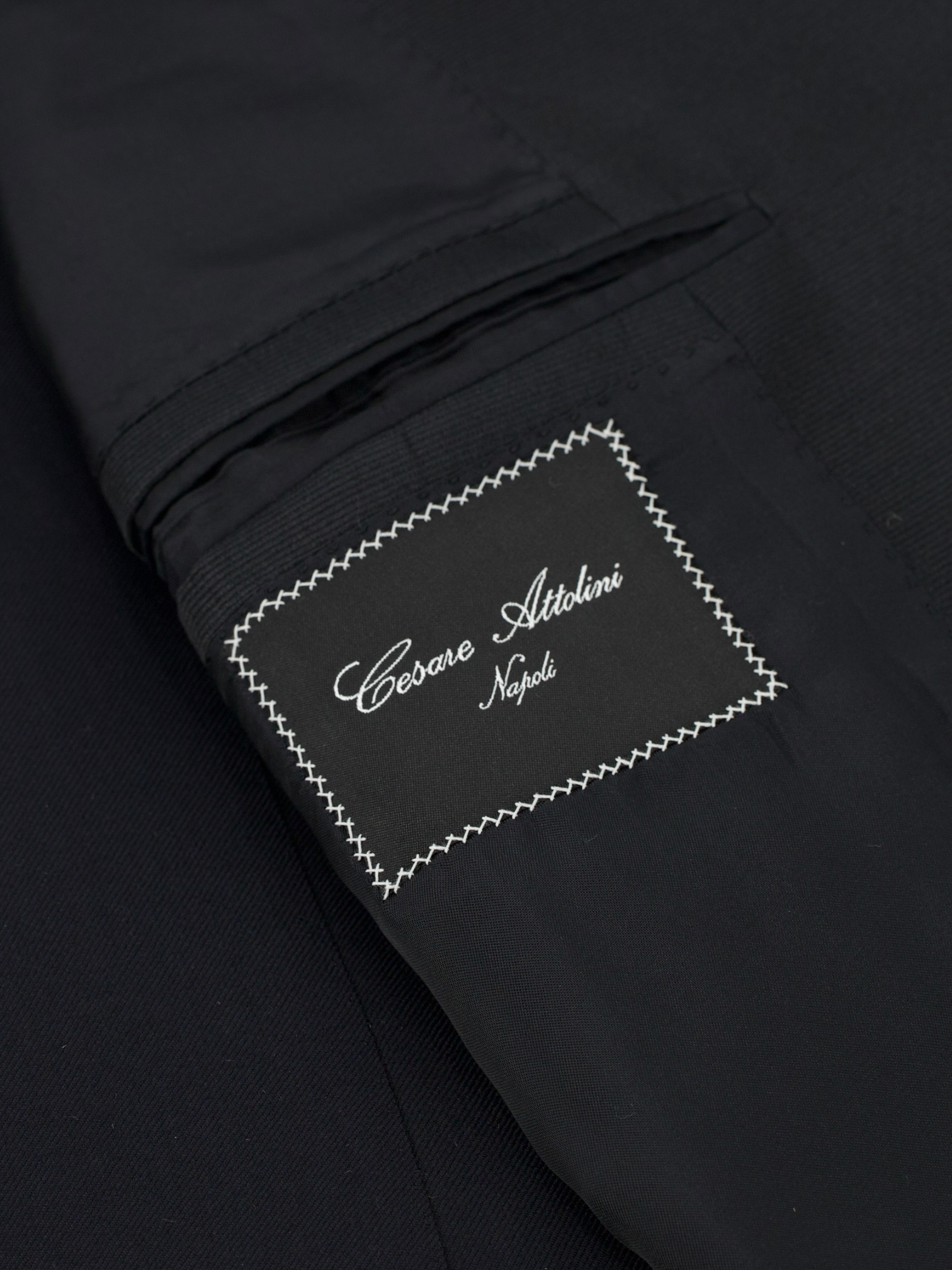
Cesare Attolini Deep-Navy 3-Piece Super 120's Tuxedo
50 IT / 40 US / Large
 Curator's Description
 Curator's Description
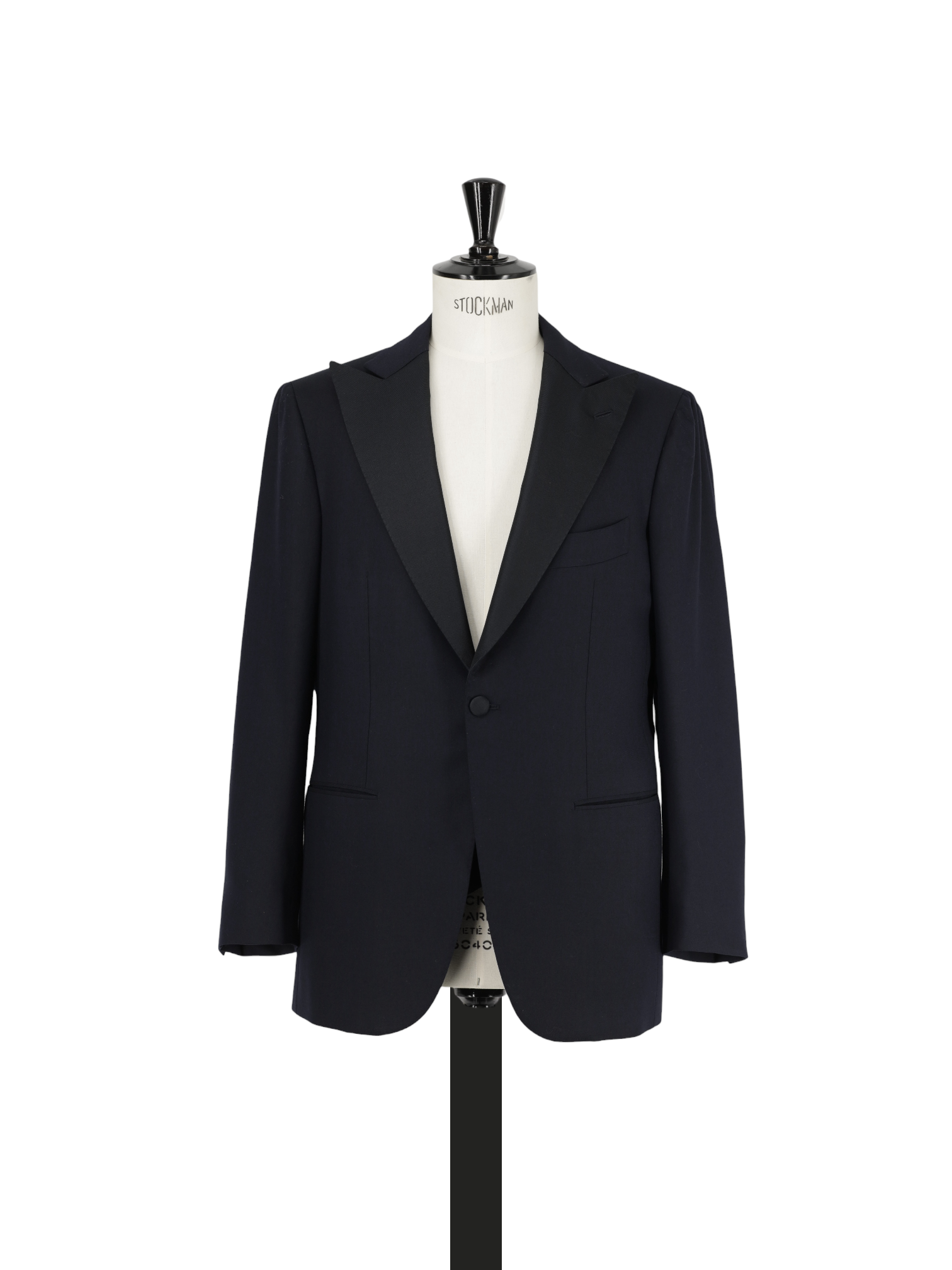
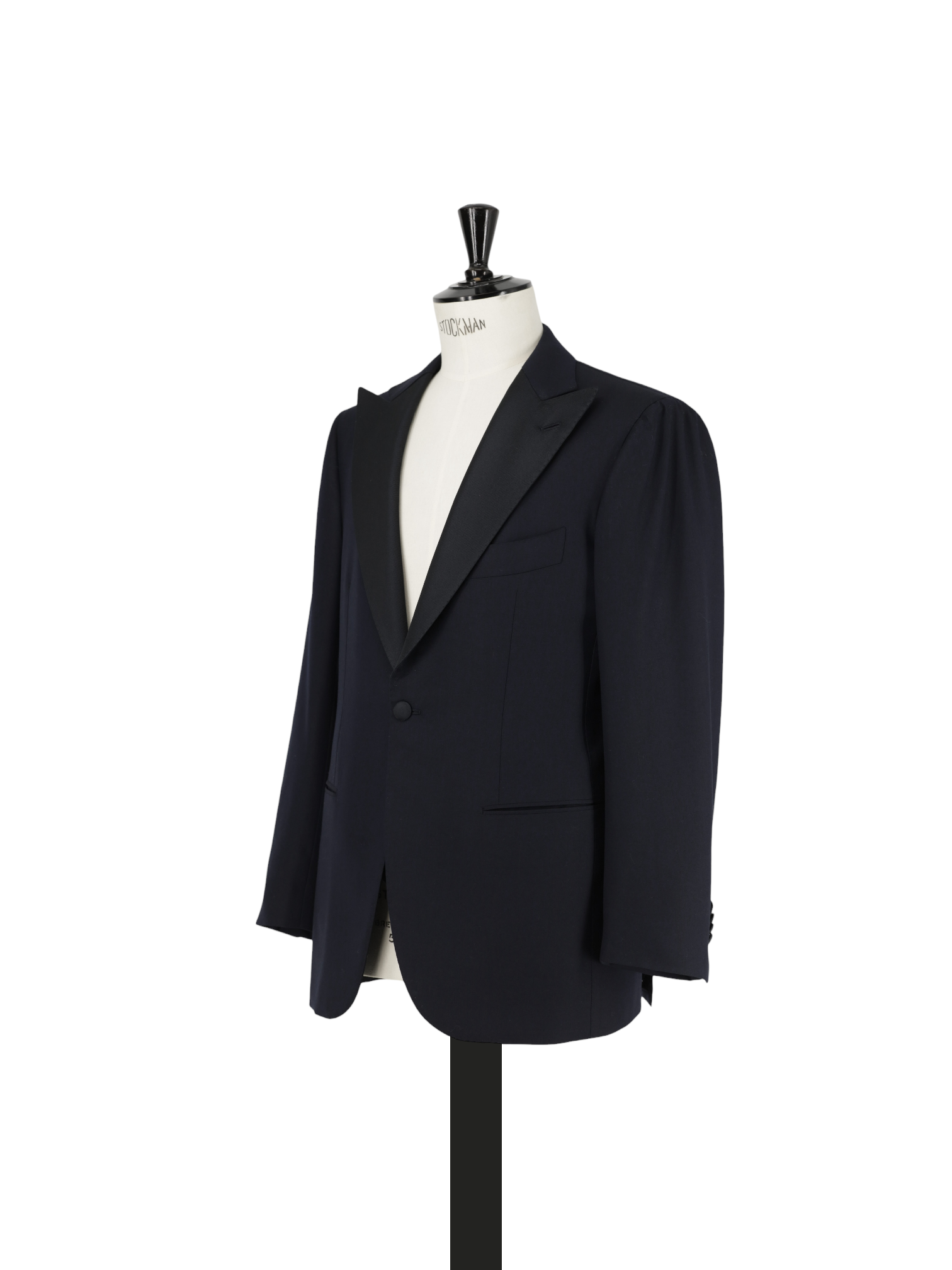
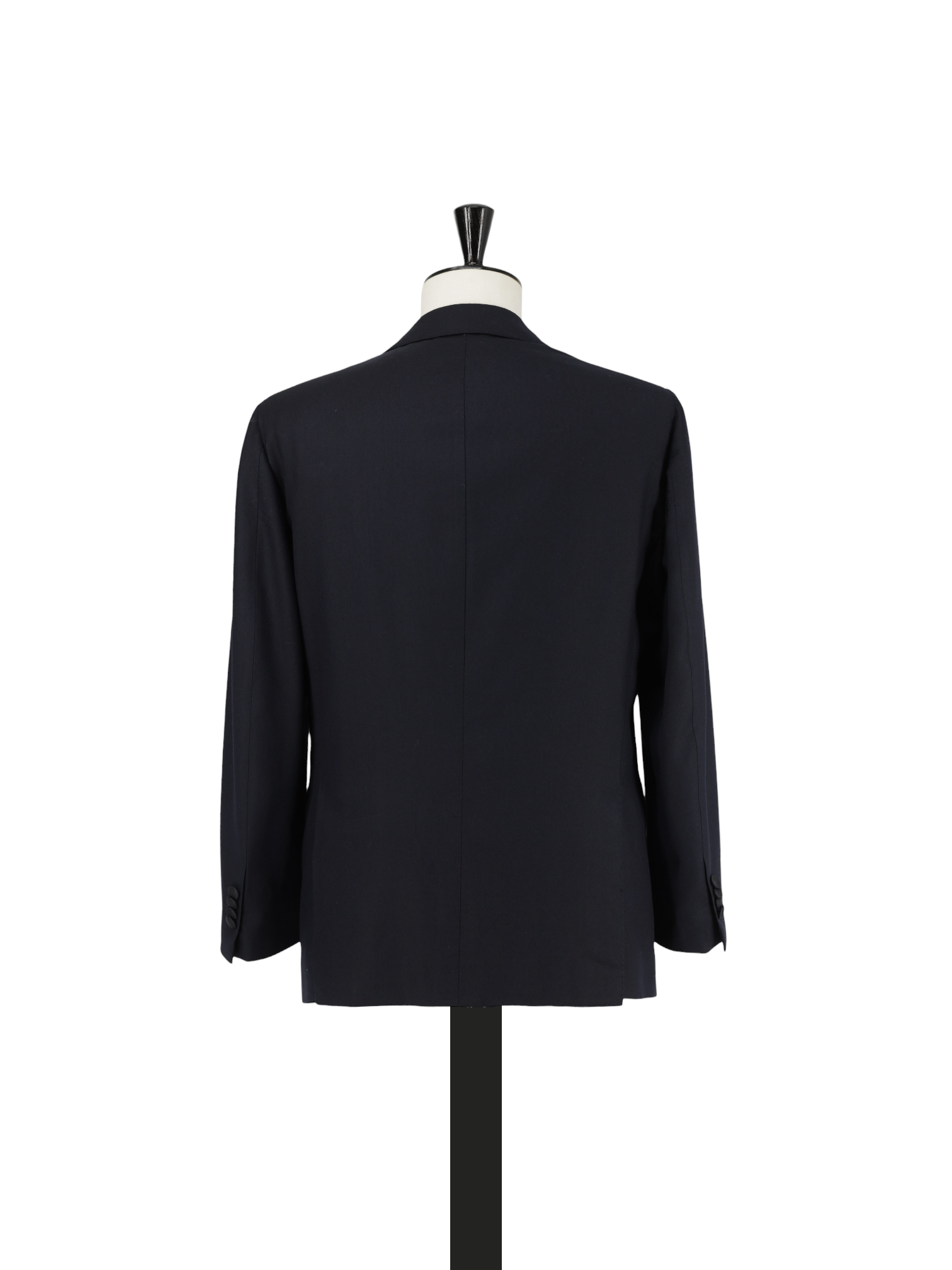
Discover the quiet grandeur of this Cesare Attolini three-piece tuxedo, tailored from a deep navy Super 120’s wool that appears nearly black under evening light. This subtle shift in tone adds a rich, sophisticated depth that pairs beautifully with midnight and black accessories alike. The jacket is cut with peak silk lapels, jetted pockets, and a single-button closure, all finished with refined grosgrain touches that speak to timeless formalwear codes. Fully lined and impeccably structured, it presents a silhouette that feels composed and elevated without appearing rigid.
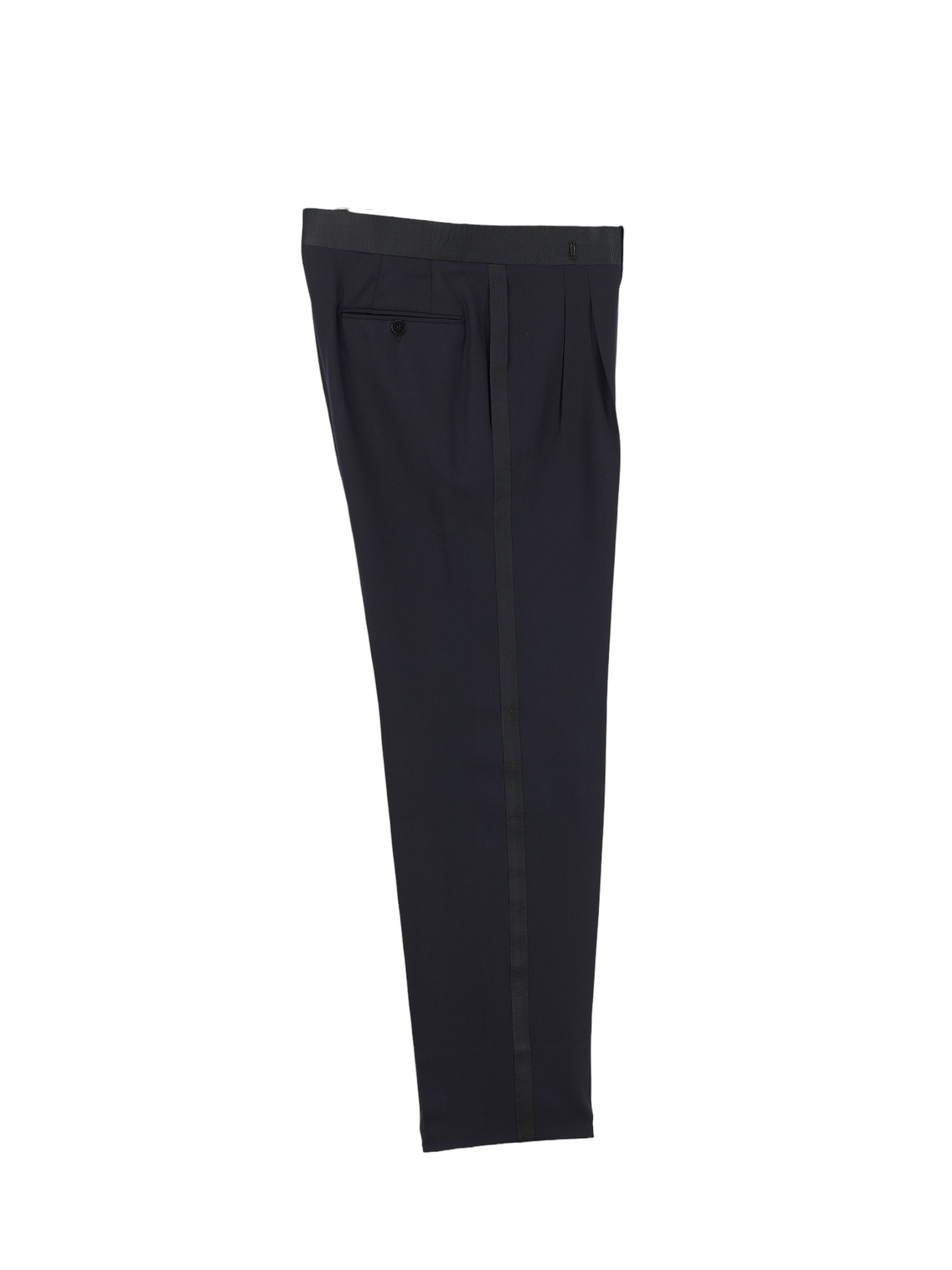
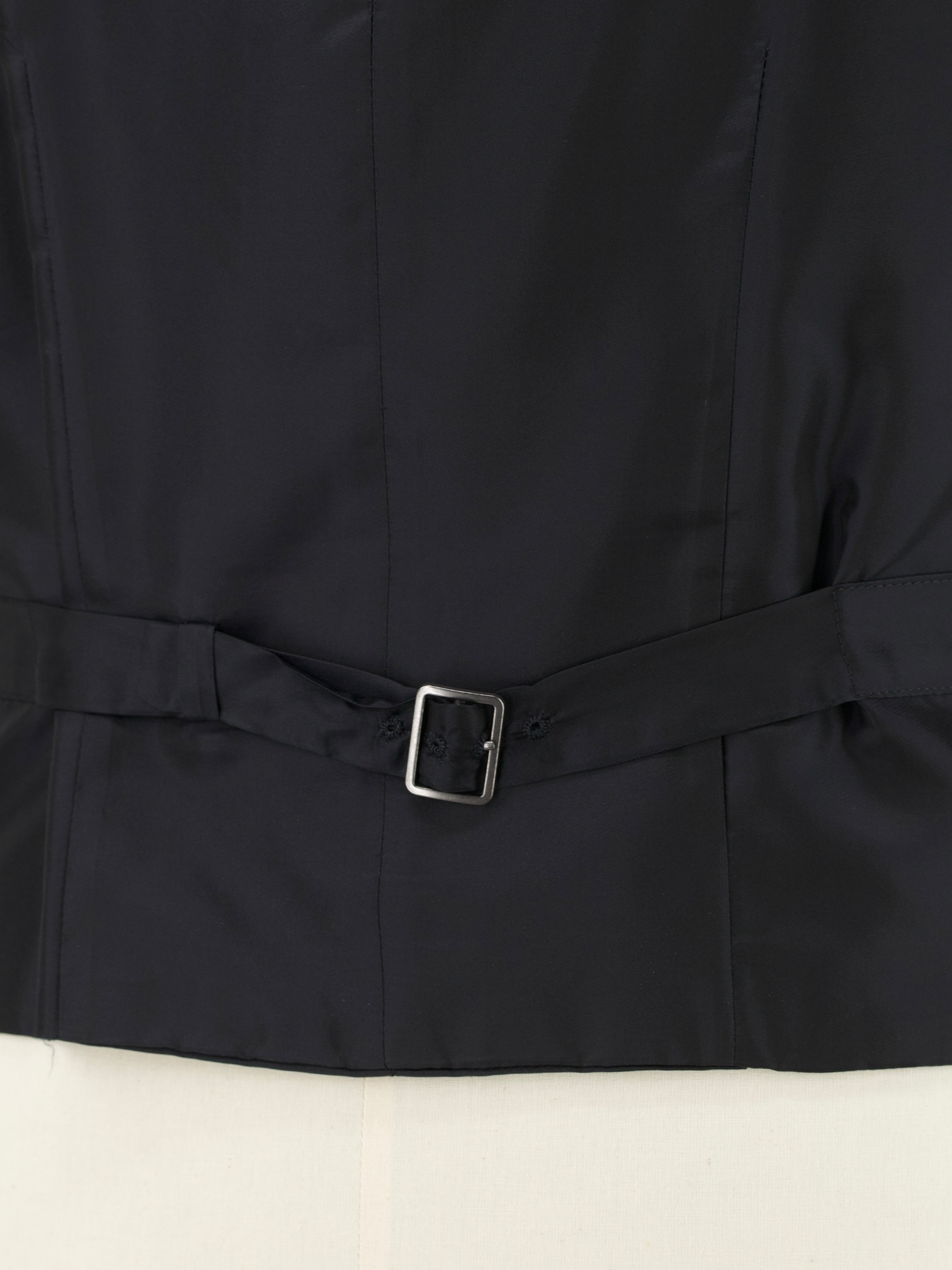
The matching trousers feature a classic silk waistband and side stripes, with interior buttons designed for traditional suspenders. Completing the ensemble is a low-cut waistcoat with a minimalist three-button closure in matching silk, purposefully designed to remain discreet when the jacket is worn closed. Entirely handmade in Naples, this is a piece for the sartorial connoisseur who understands the nuance of restraint, the power of detail, and the lasting appeal of true evening elegance. Discover the elaborated sartorial details below.
 Materials
 Materials
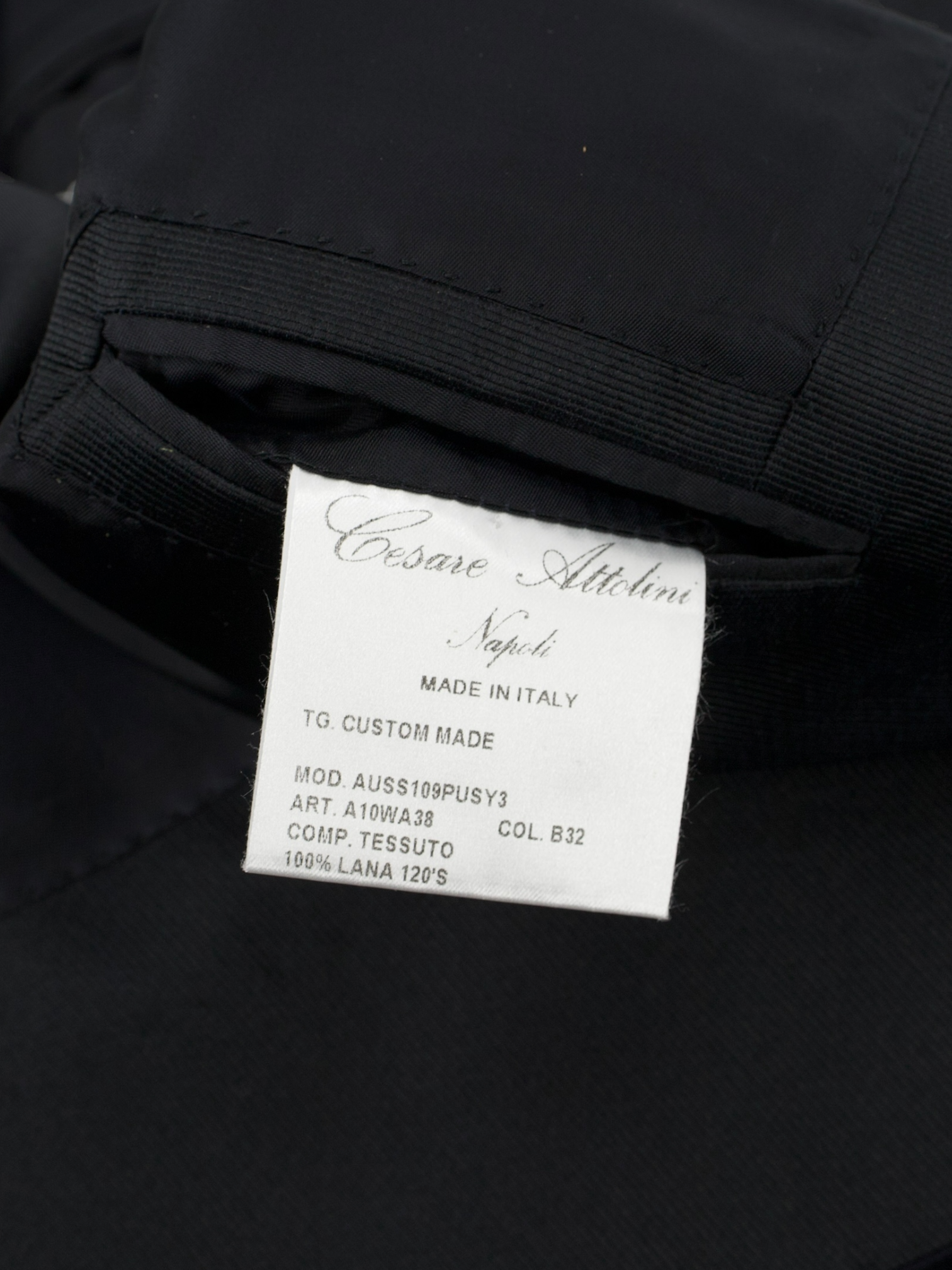
Composition: 100% Super 120's Wool
Color: Deep Navy
Pattern: Twill
 Measurements
 Measurements
See how we measure our sartorial items
Discover the customization possibilities by visiting our tailor alteration guide
Shipping
• Complimentary shipping on orders over €200 (Netherlands), €500 (EU), and €1,000 (rest of world
• Orders below these thresholds are charged based on destination
• All items ship directly from Amsterdam, The Netherlands
• Customs duties and import fees outside the EU are the customer’s responsibility
Returns
EU customers have the right to withdraw within 14 days of delivery.
• Return shipping is at the customer’s expense
• Items must be returned unworn and in original condition
• Any use beyond indoor fitting may result in a diminished refund
Orders outside the European Union are exported goods and considered final sale (no returns).
Altered or tailored items are final sale.
Please review measurements and quality control comments carefully before ordering. As a small independent boutique we encourage thoughtful purchasing. For any questions, feel free to contact us before placing your order.
General Note: While we inspect each item to ensure its quality, please note that minor imperfections may be present due to the preloved nature of the garments. We strive to represent every item accurately, but subtle signs of wear may sometimes go unnoticed. We appreciate your understanding and commitment to sustainable luxury.
Choose options
Discover the
Sartorial Details
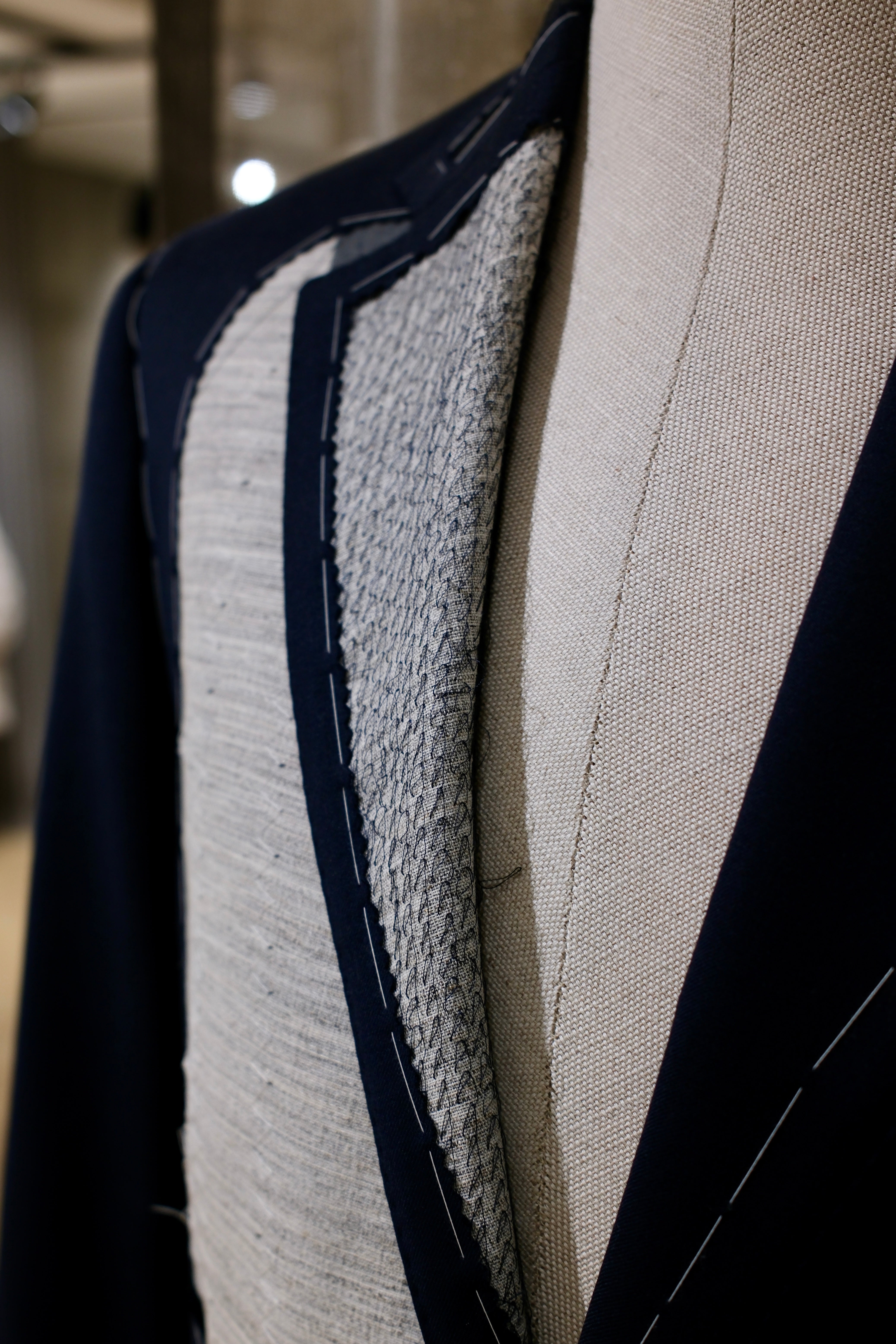
Full Canvas Construction
A sartorial jacket - or coat - needs an interlining that will help give it shape and mold it. Canvas gives the item a tailored and crafted look. In short, it breathes life into it. Purely technical, canvas is made from either horsehair, wool, mohair or camel hair. It could also be a mix of them all, with varying thickness and weight. The canvas is stitched to the jacket, often by hand, thus making the canvas pieces 'floating' in the middle of the inner and outer cloth. This gives the jacket added flexibility. The canvas runs from the upper parts, all the way down to the end of the jacket. After you wear your canvassed suit for a while, it will begin to take your shape and look incredibly natural.
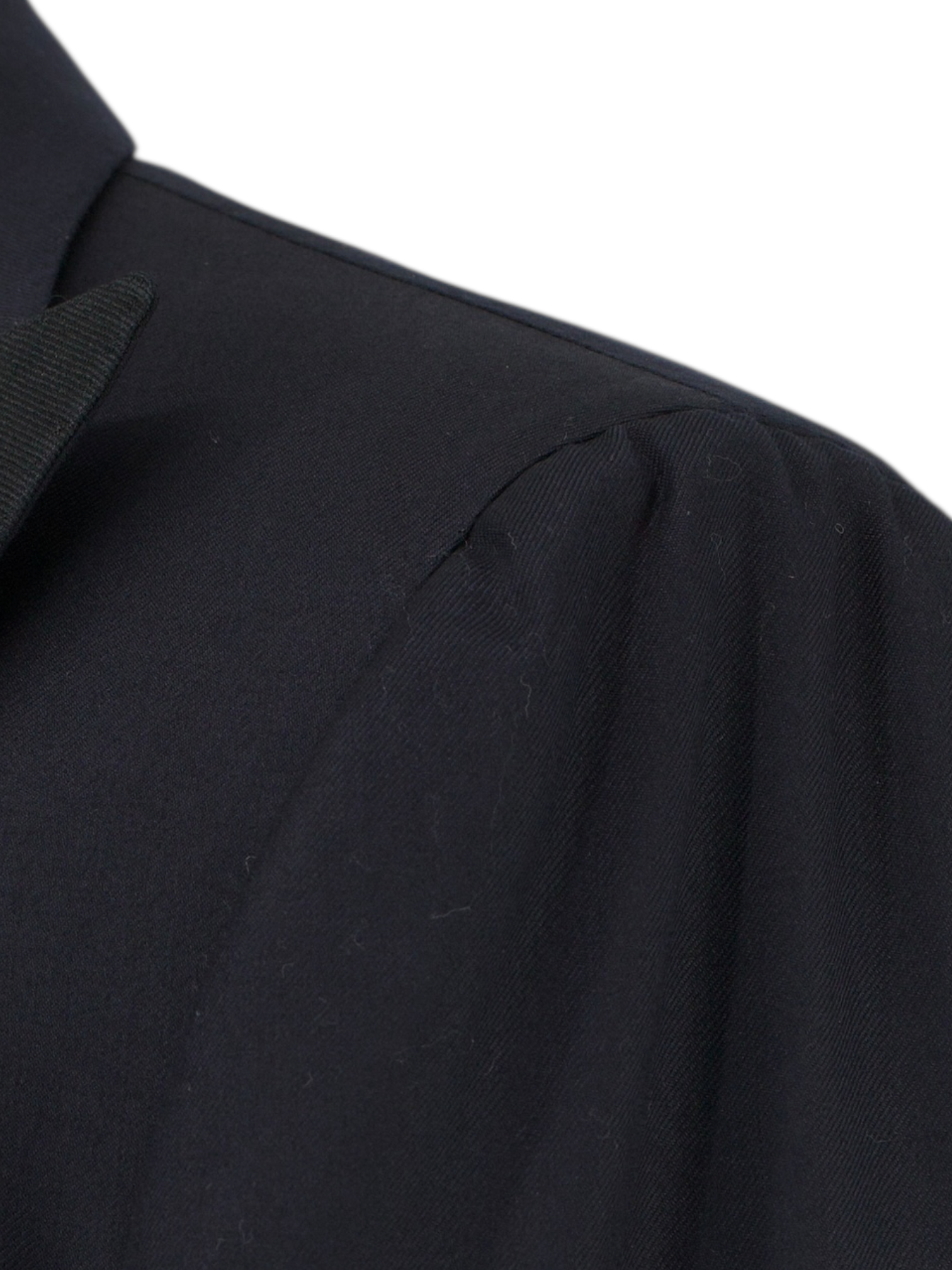
La Spalla Camicia
Spalla Camicia roughly translates to 'shirt sleeve' in Italian and is a shoulder style created and popularized by Neapolitan tailors. The name 'shirt sleeve' was so coined due to the characteristic shirring found at the sleeve's head where the fullness of the larger sleeve collapses. Rather than having the head of the sleeve turned back and stitched inside, the head is lapped under and stitched along the top.
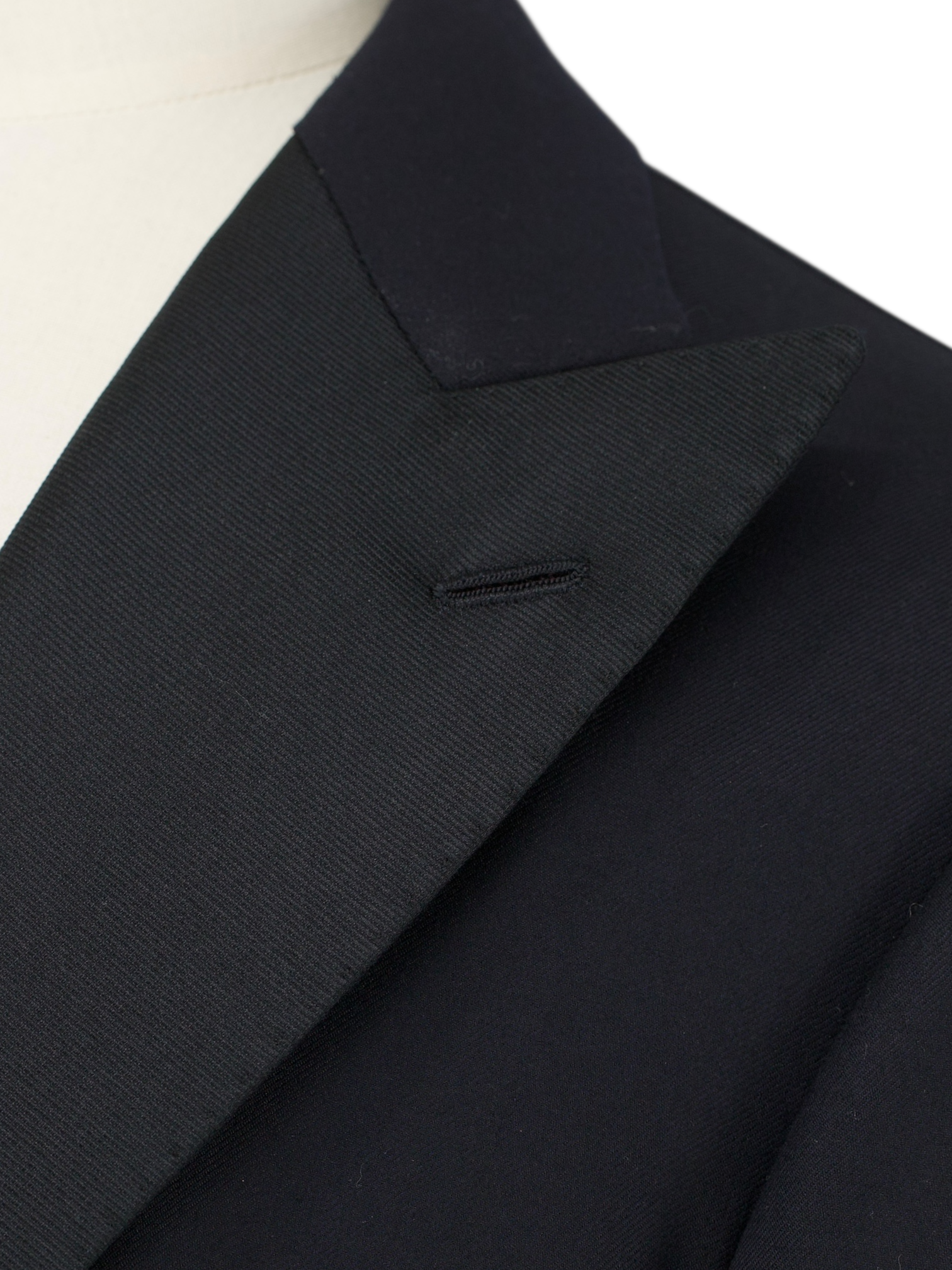
Handmade Buttonhole
Handmade buttonholes are made using a chain of knotted loops called purl stitches that make them strong and visually distinctive. It takes about five seconds to sew a regular buttonhole with a machine – a single handmade buttonhole takes about 10 minutes to sew.
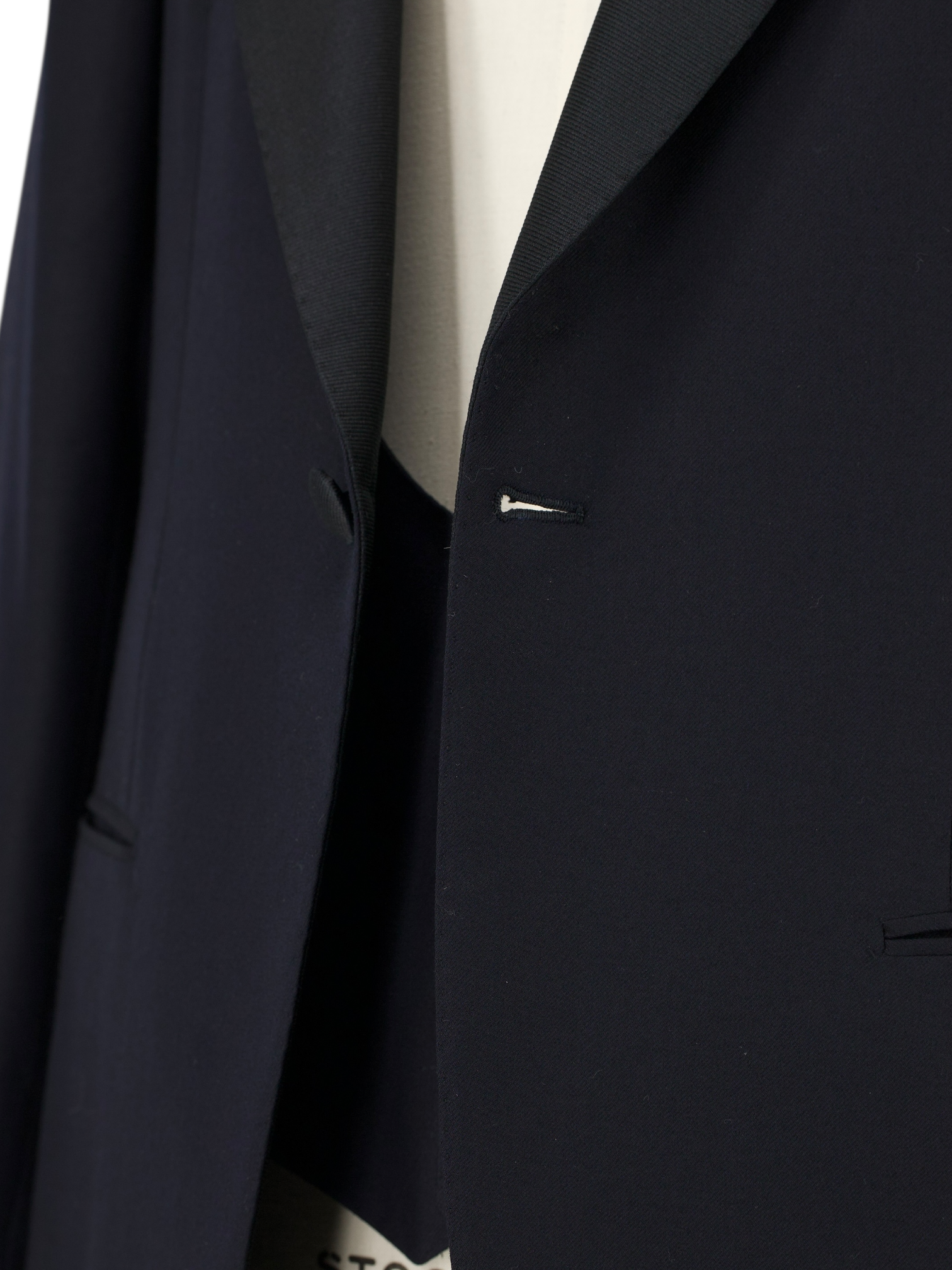
Single Button Closure
Due to their roots in traditional eveningwear styles, one-button suit jackets are frequently tailored with a longer cut compared to other suit variations. By keeping the button fastened, a well-proportioned appearance is maintained. It is crucial to always button these jackets when standing.
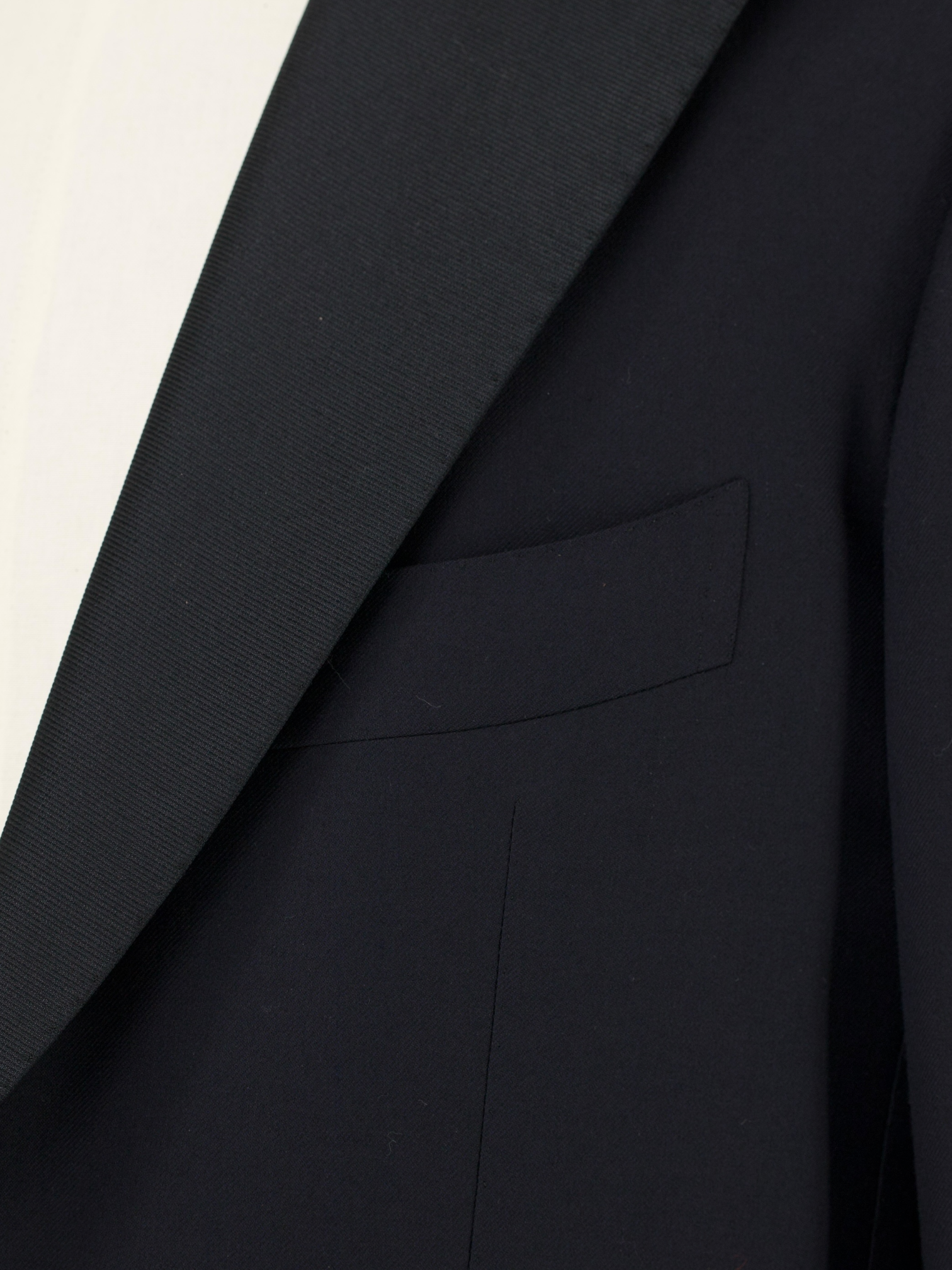
Barchetta Chest Pocket
The barchetta pocket is often thought to be a tailoring detail exclusively from Italy. The word “barchetta” is Italian for “little boat.” It describes how the pocket floats on the chest, gently angled upwards, like the bow of a sailboat.
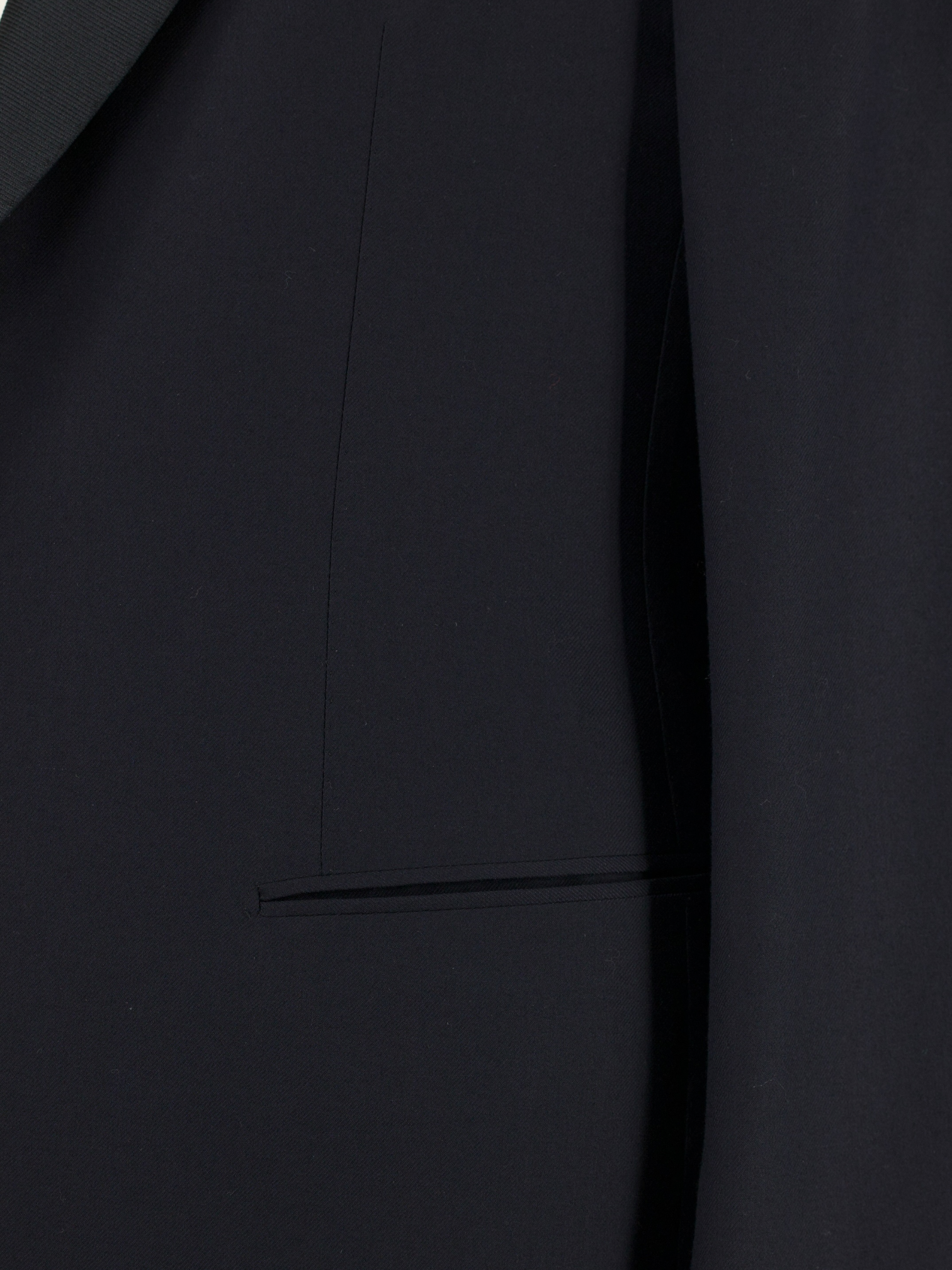
Neapolitan Darts
Neapolitan master tailors add two darts - think of them as pinched seams - to ensure the jacket’s body achieves a slim silhouette. The process, called mezzo punto riprese, is done entirely by hand.
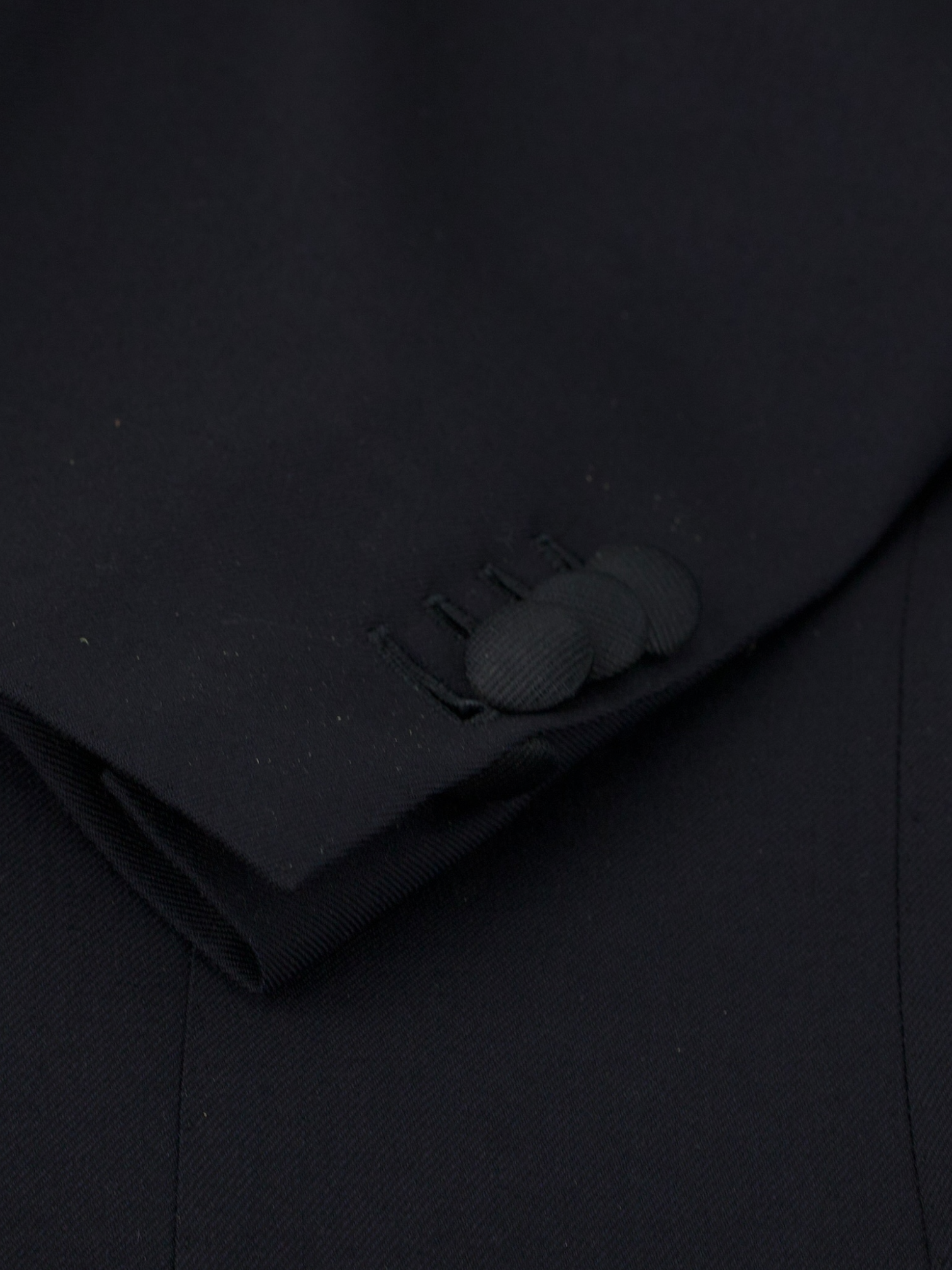
Silk Buttons
Matching the silk details throughout the tuxedo
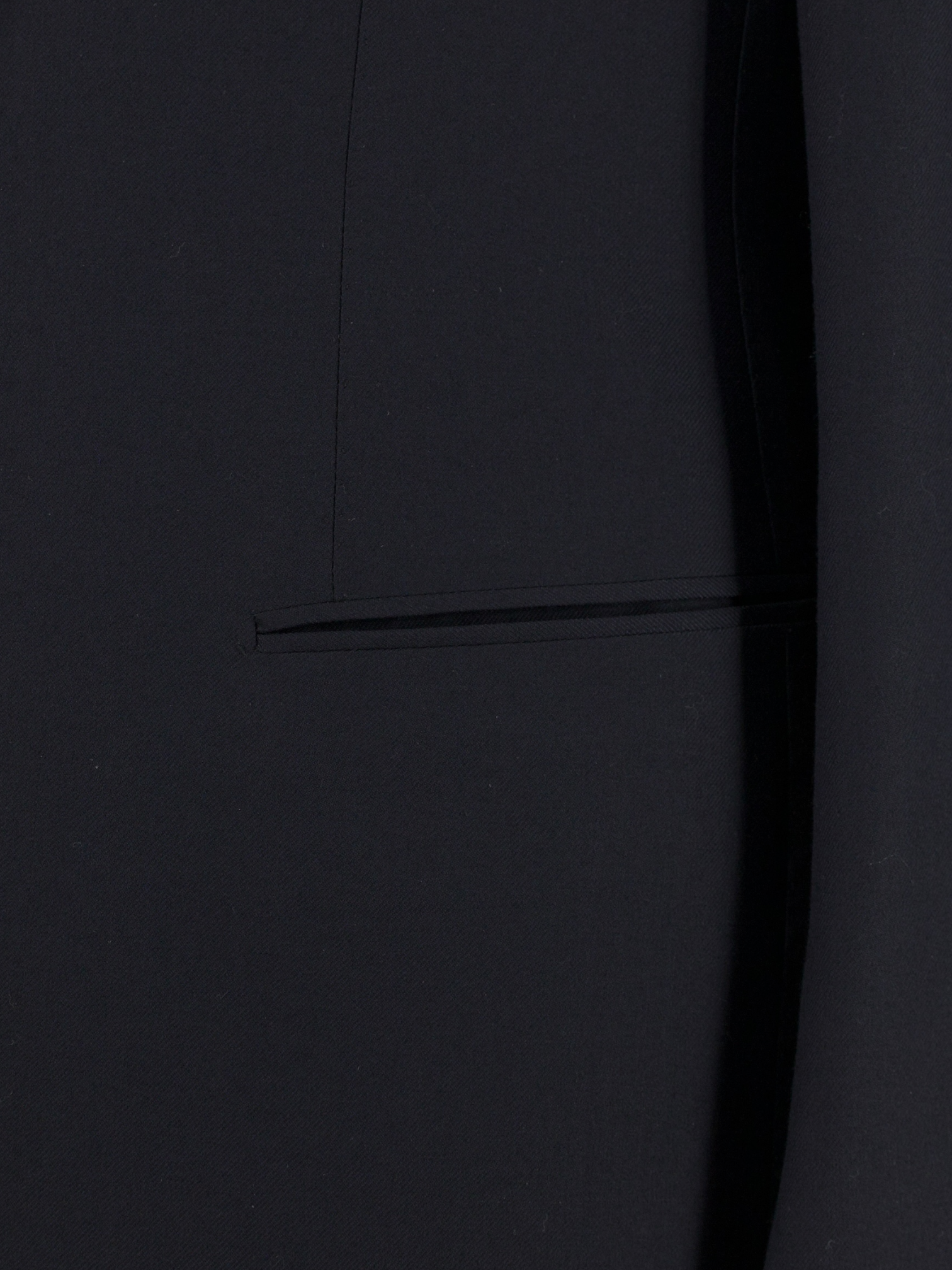
Jetted Pockets
The first jacket pockets were sewn inside the lining or seams of garments, and are called “jetted” pockets. In their simplest form, they consist of little more than a slit. Suits that are the most formal, especially tuxedos, have no flap pockets altogether to give the piece a more streamlined look.
the details of
the trousers
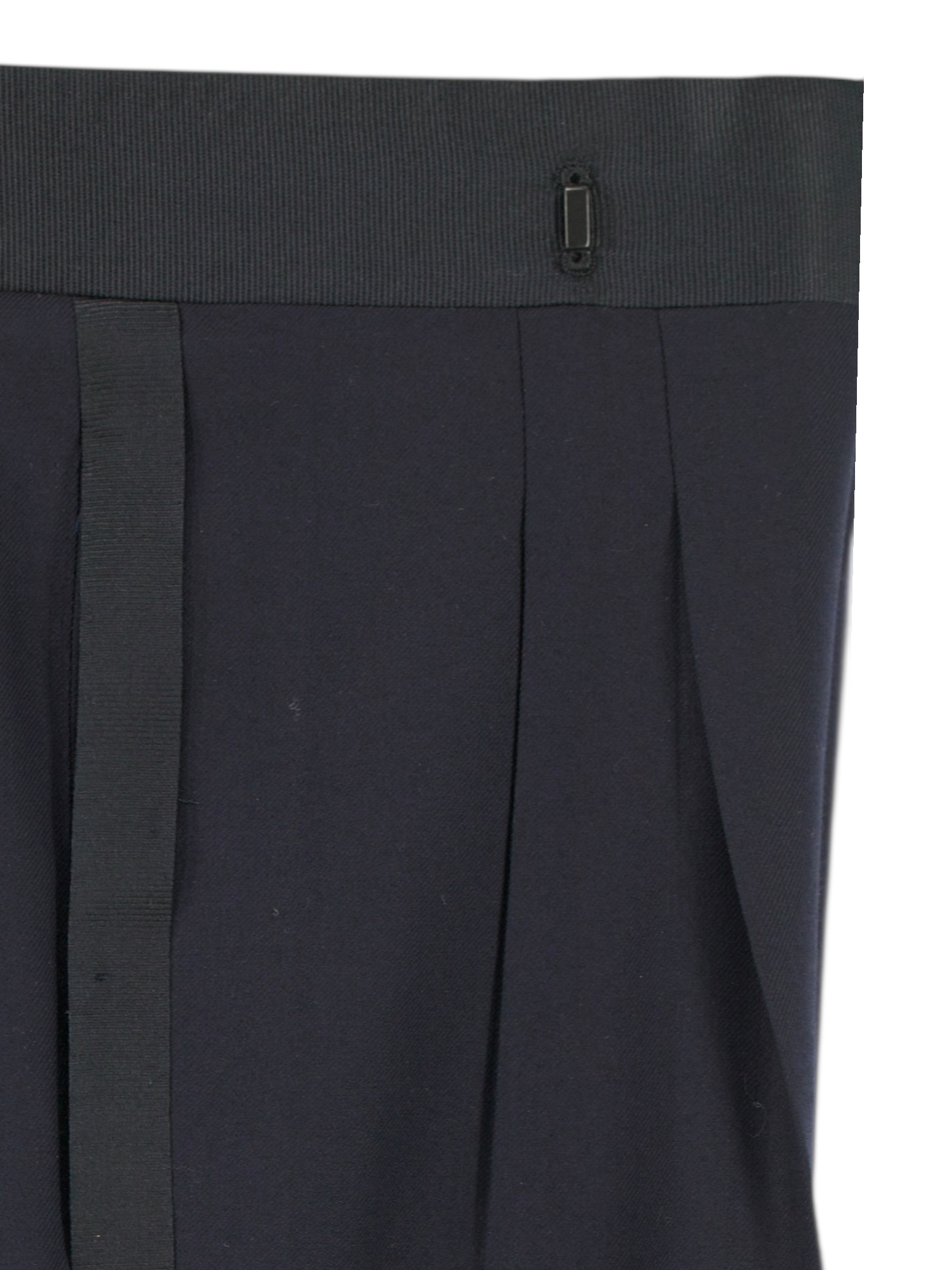
Double Pleated Front
Double-pleat trousers are all about classic elegance. They were a staple in the 1930s and 1940s, an era known for its fuller, more comfortable styles. With two pleats, these pants provide extra room, especially around the hips and thighs, making them great for formal settings. They bring to mind the sophisticated styles of Hollywood icons like Cary Grant, who wore them with effortless charm. Even though slimmer fits have become more popular, double pleats remain appealing for those who appreciate traditional tailoring and timeless style.
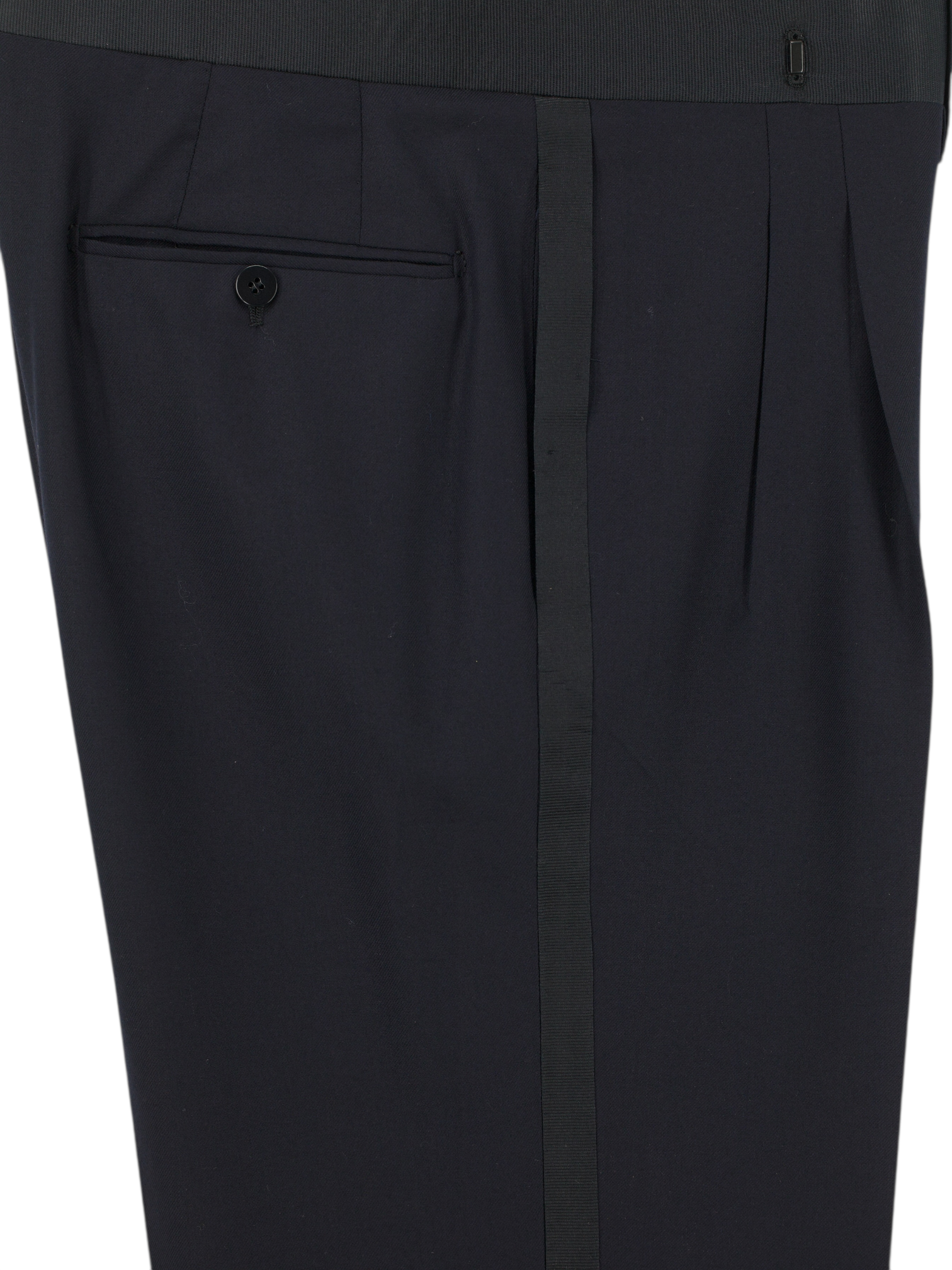
Tuxedo trousers feature a silk waistband to match the jacket’s silk lapels and buttons, creating a cohesive and elegant look while eliminating the need for a belt, maintaining clean lines, and reflecting the traditional distinction between eveningwear and regular suits.
Silk Waistband
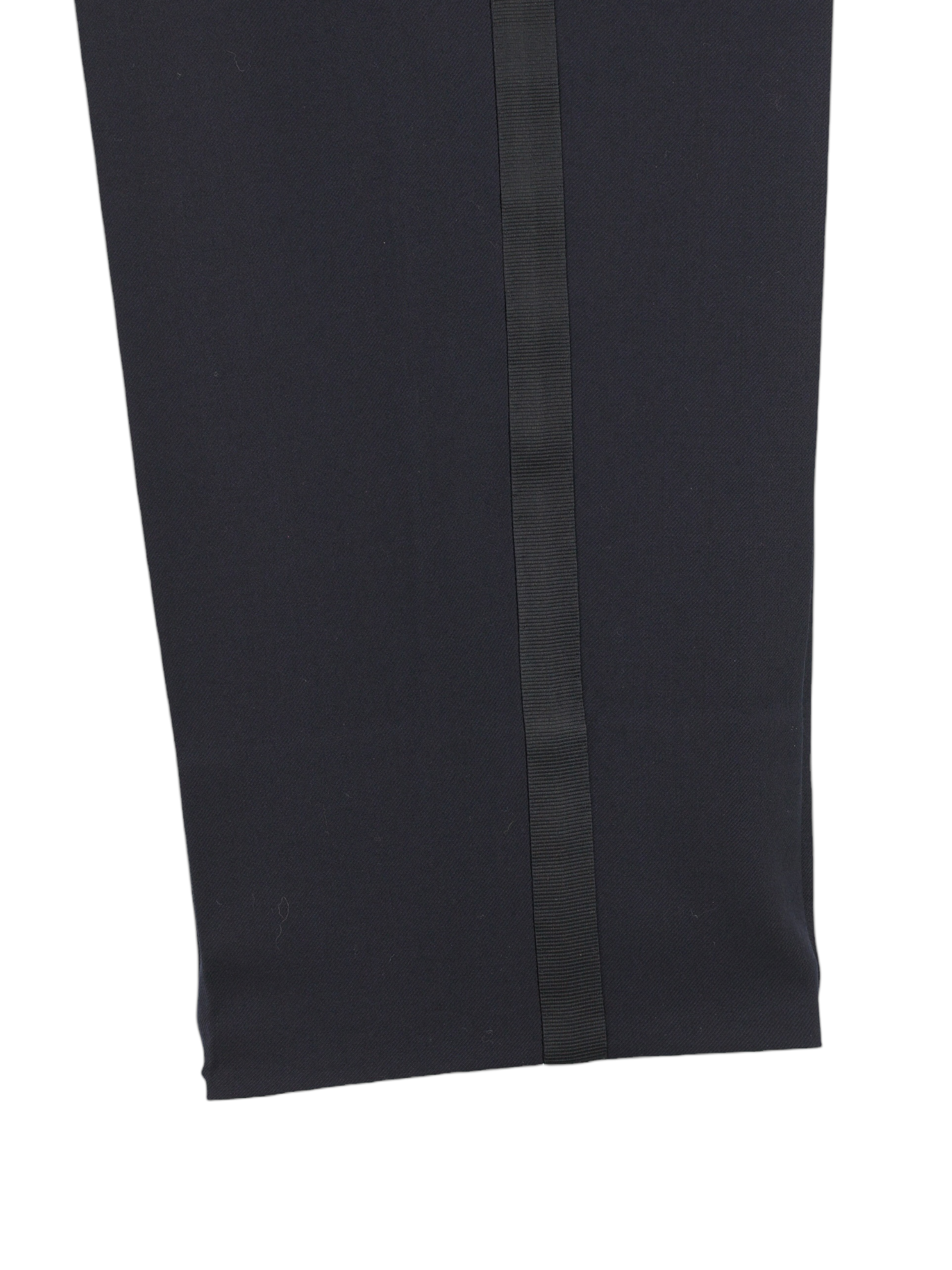
Plain, Blind Hem
The plain, blind hem is a sophisticated and subtle finishing technique that provides a clean and polished look to trousers. This type of hem involves folding the fabric under and securing it with stitches that are nearly invisible from the outside, creating a smooth and uninterrupted line. It is a popular choice for dress trousers and formalwear, where maintaining a seamless appearance is key. The plain, blind hem combines the simplicity of a plain hem with the elegance of hidden stitching, making it ideal for professional and elegant attire.
size
50 IT / 40 US / Large