

Tom Ford Navy 3-Piece Fine-Wool Regency Suit
52 IT / 42 US / Large
 Curator's Description
 Curator's Description
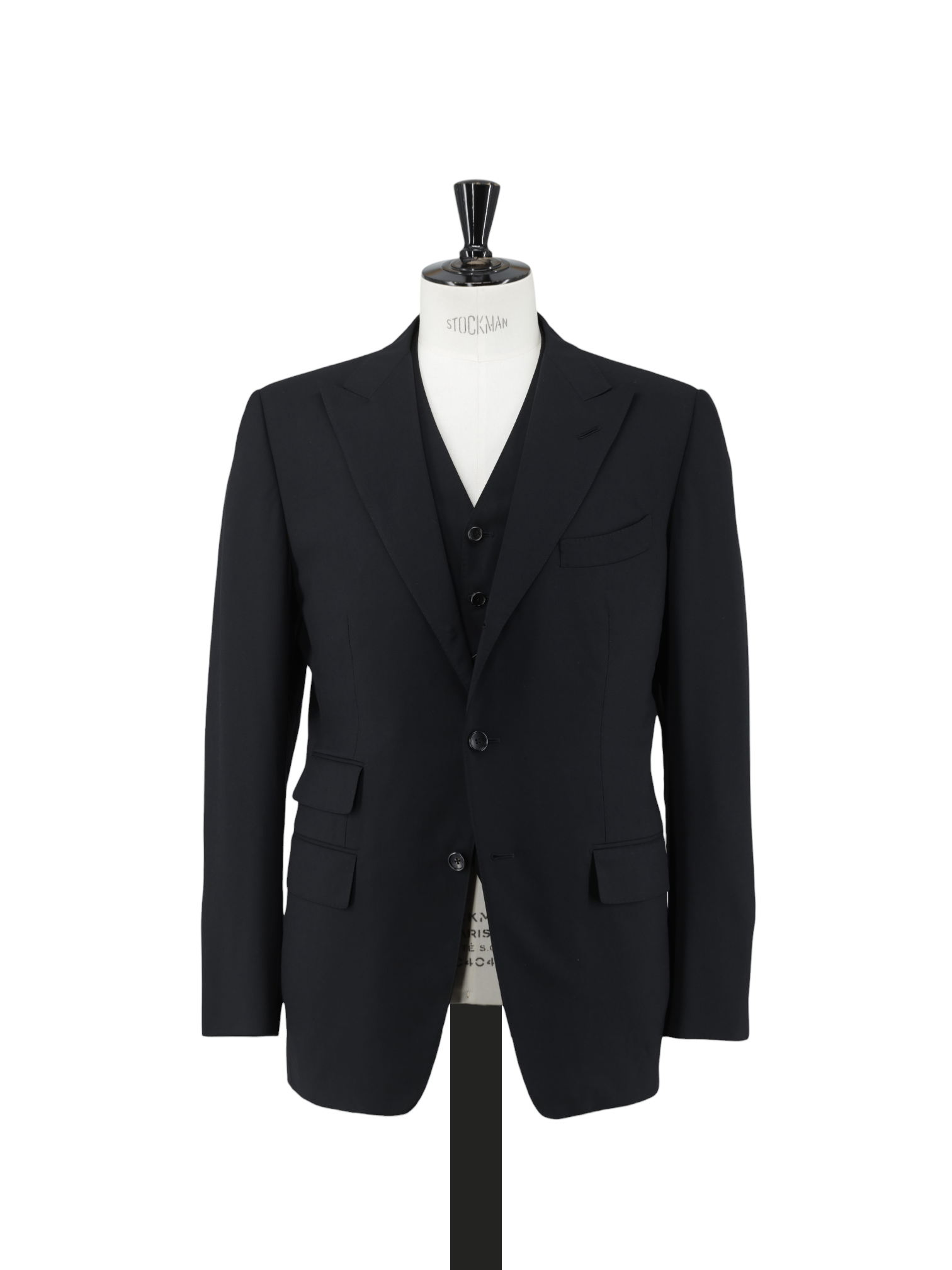
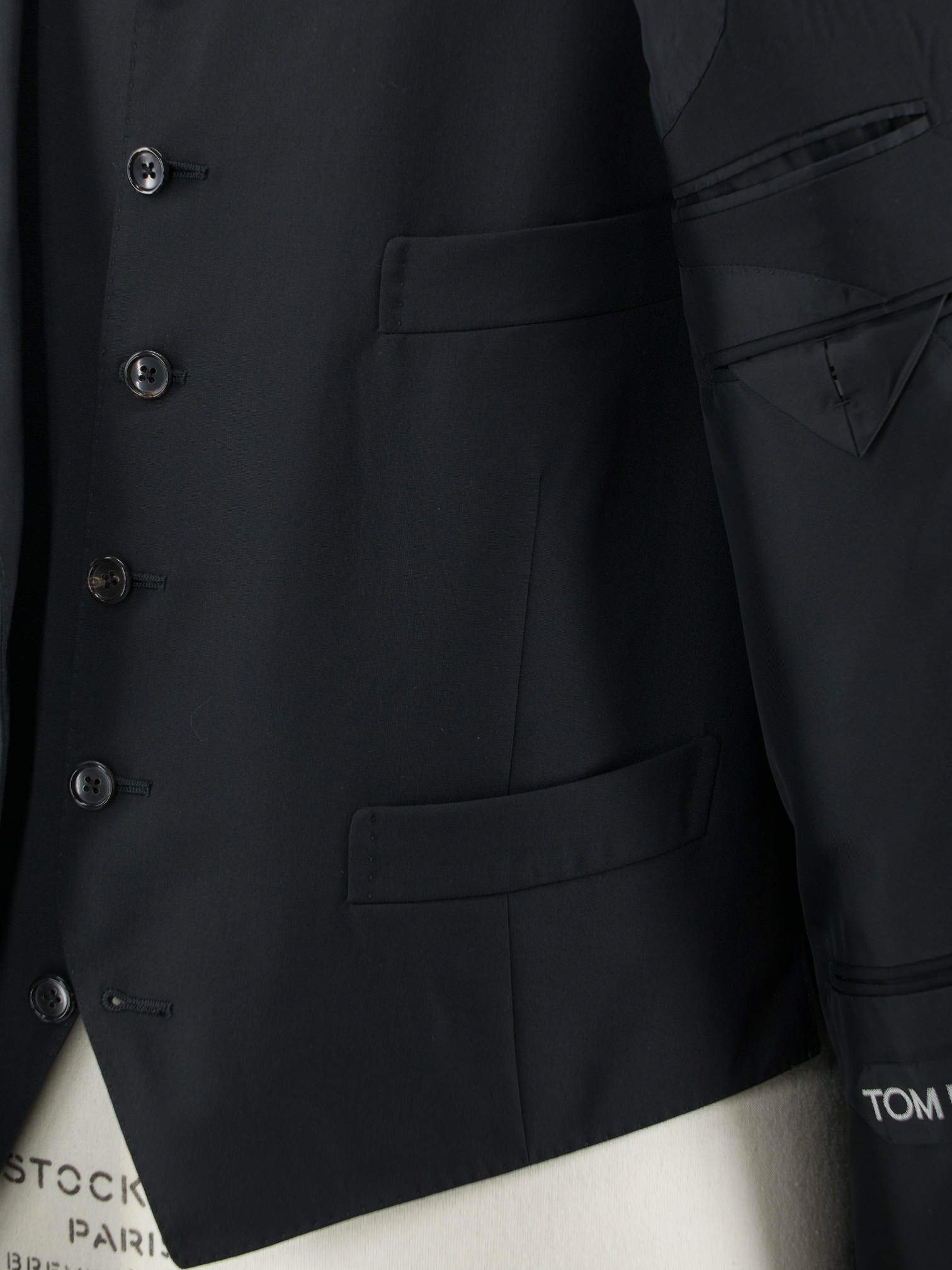
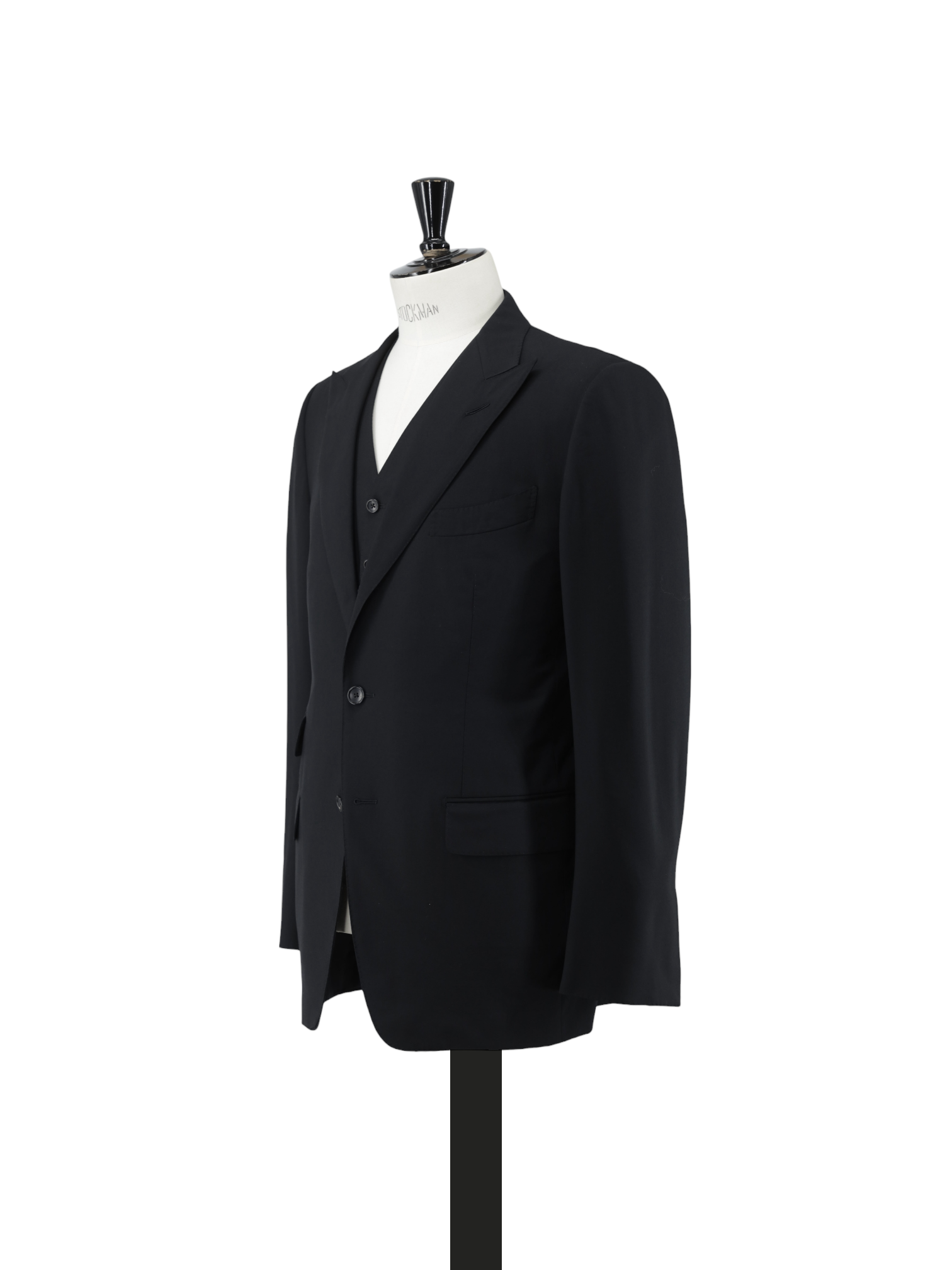
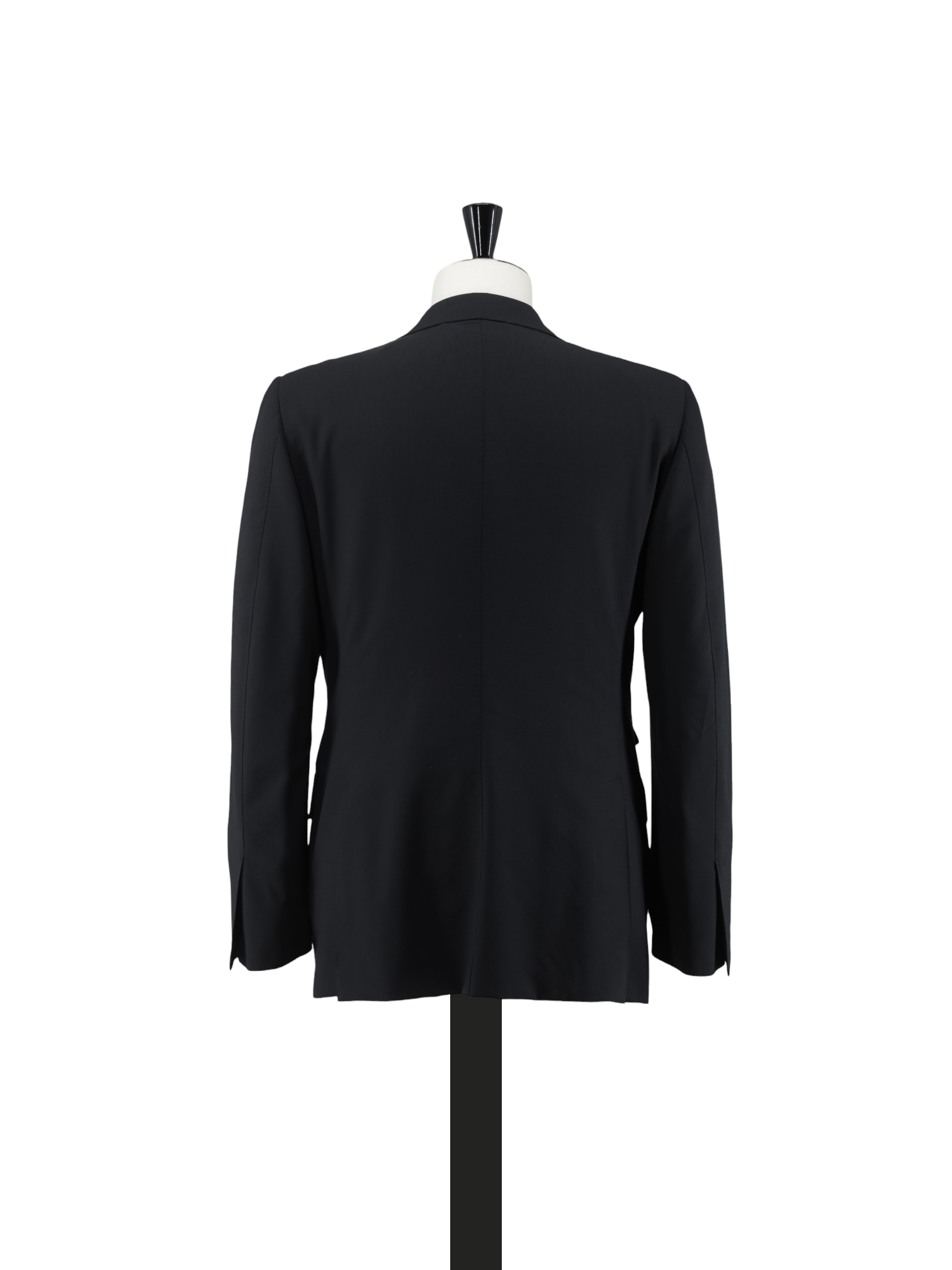
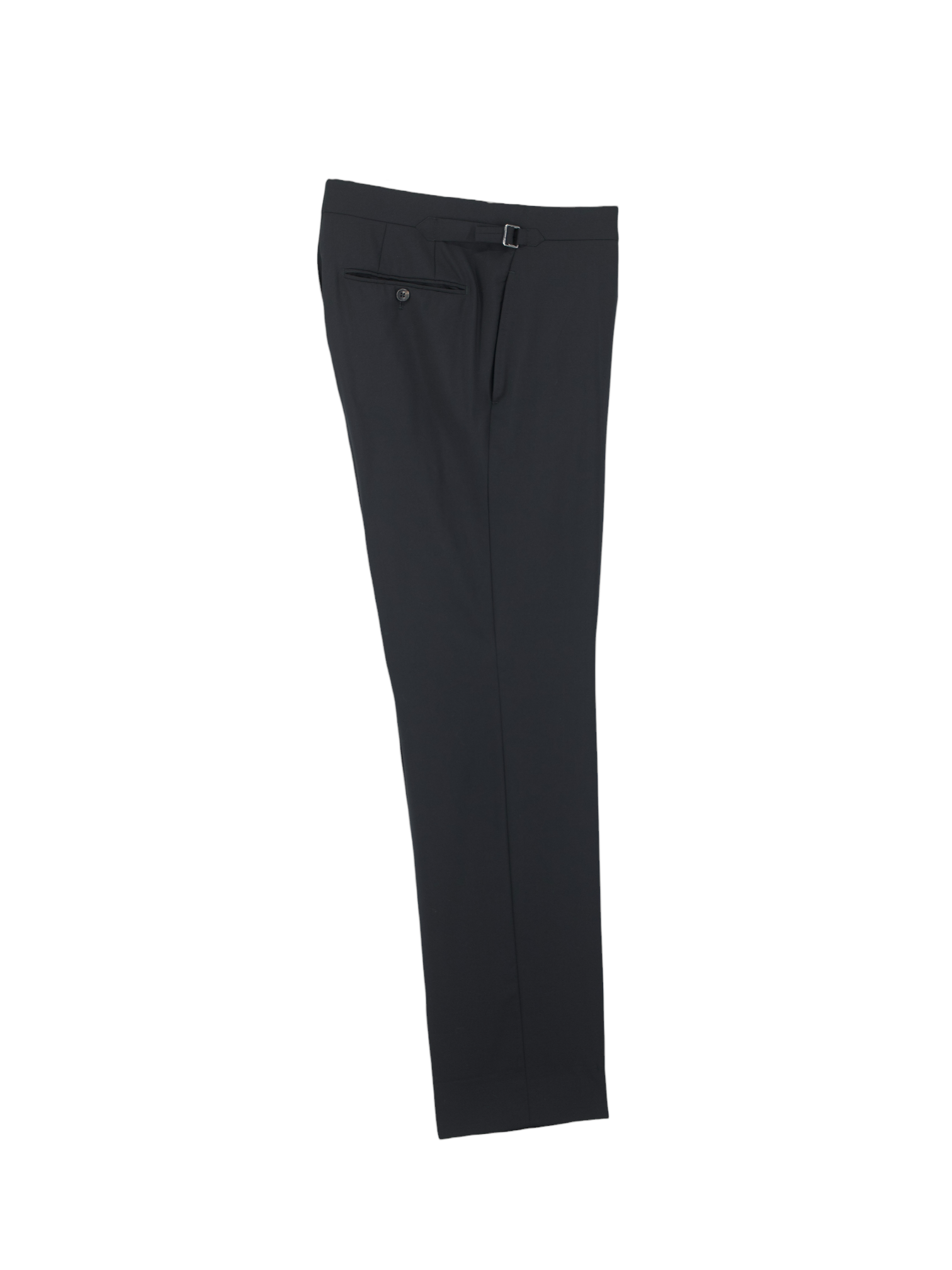
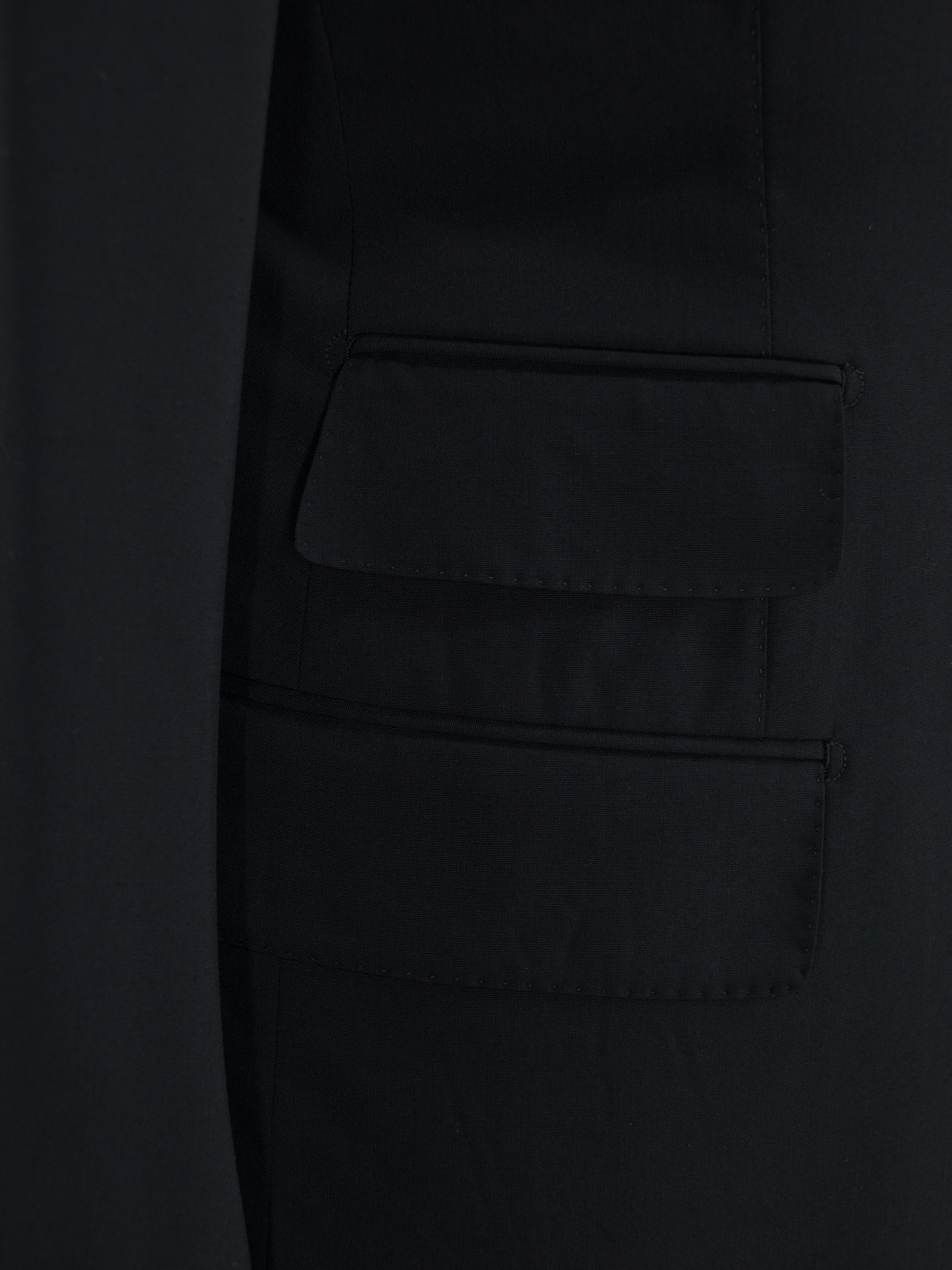
Discover the Tom Ford navy three-piece Regency suit, tailored in Italy from a fine wool cloth with a smooth, compact weave that holds its shape beautifully. The jacket is cut with broad peak lapels, a 2.5 button closure, and rounded flap pockets with a ticket pocket, complemented by a curved barchetta chest pocket for added refinement. Fully lined for structure, it includes a single-breasted waistcoat with four pockets and an adjustable metal tab at the back to refine the fit. Flat-front trousers with side adjusters complete the look, offering a clean, streamlined silhouette.
The Regency cut, also known as Base B, is one of Tom Ford’s most architectural tailoring blocks. It features strong, padded shoulders and a closely tailored chest that creates a commanding profile without restricting movement. The waist is sharply suppressed, giving the jacket a sculpted hourglass shape that nods to classic British military tailoring. Trousers in the Regency block sit slightly higher on the waist, with a trim leg and a clean break that works well with both formal shoes and modern loafers. The overall effect is sharp, powerful, and unmistakably refined. Discover the elaborated sartorial details below.
 Materials
 Materials
Composition: 100% Wool
Color: Deep Navy
Pattern: Plain
 Measurements
 Measurements
See how we measure our sartorial items
Discover the customization possibilities by visiting our tailor alteration guide
Shipping
• Complimentary shipping on orders over €200 (Netherlands), €500 (EU), and €1,000 (rest of world
• Orders below these thresholds are charged based on destination
• All items ship directly from Amsterdam, The Netherlands
• Customs duties and import fees outside the EU are the customer’s responsibility
Returns
EU customers have the right to withdraw within 14 days of delivery.
• Return shipping is at the customer’s expense
• Items must be returned unworn and in original condition
• Any use beyond indoor fitting may result in a diminished refund
Orders outside the European Union are exported goods and considered final sale (no returns).
Altered or tailored items are final sale.
Please review measurements and quality control comments carefully before ordering. As a small independent boutique we encourage thoughtful purchasing. For any questions, feel free to contact us before placing your order.
General Note: While we inspect each item to ensure its quality, please note that minor imperfections may be present due to the preloved nature of the garments. We strive to represent every item accurately, but subtle signs of wear may sometimes go unnoticed. We appreciate your understanding and commitment to sustainable luxury.
Choose options
Discover the
Sartorial Details
Full Canvas Construction
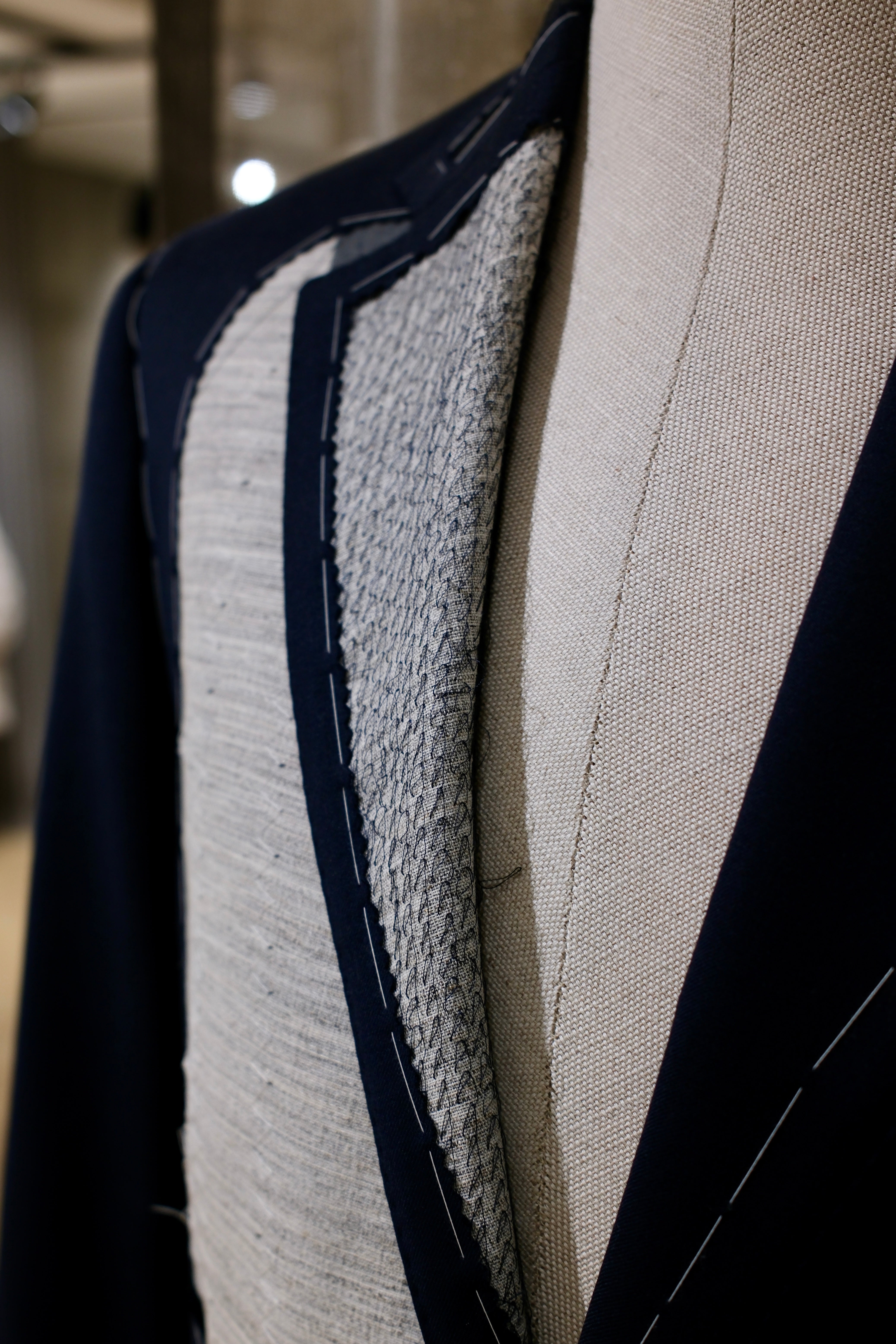
A sartorial jacket - or coat - needs an interlining that will help give it shape and mold it. Canvas gives the item a tailored and crafted look. In short, it breathes life into it. Purely technical, canvas is made from either horsehair, wool, mohair or camel hair. It could also be a mix of them all, with varying thickness and weight. The canvas is stitched to the jacket, often by hand, thus making the canvas pieces 'floating' in the middle of the inner and outer cloth. This gives the jacket added flexibility. The canvas runs from the upper parts, all the way down to the end of the jacket. After you wear your canvassed suit for a while, it will begin to take your shape and look incredibly natural.
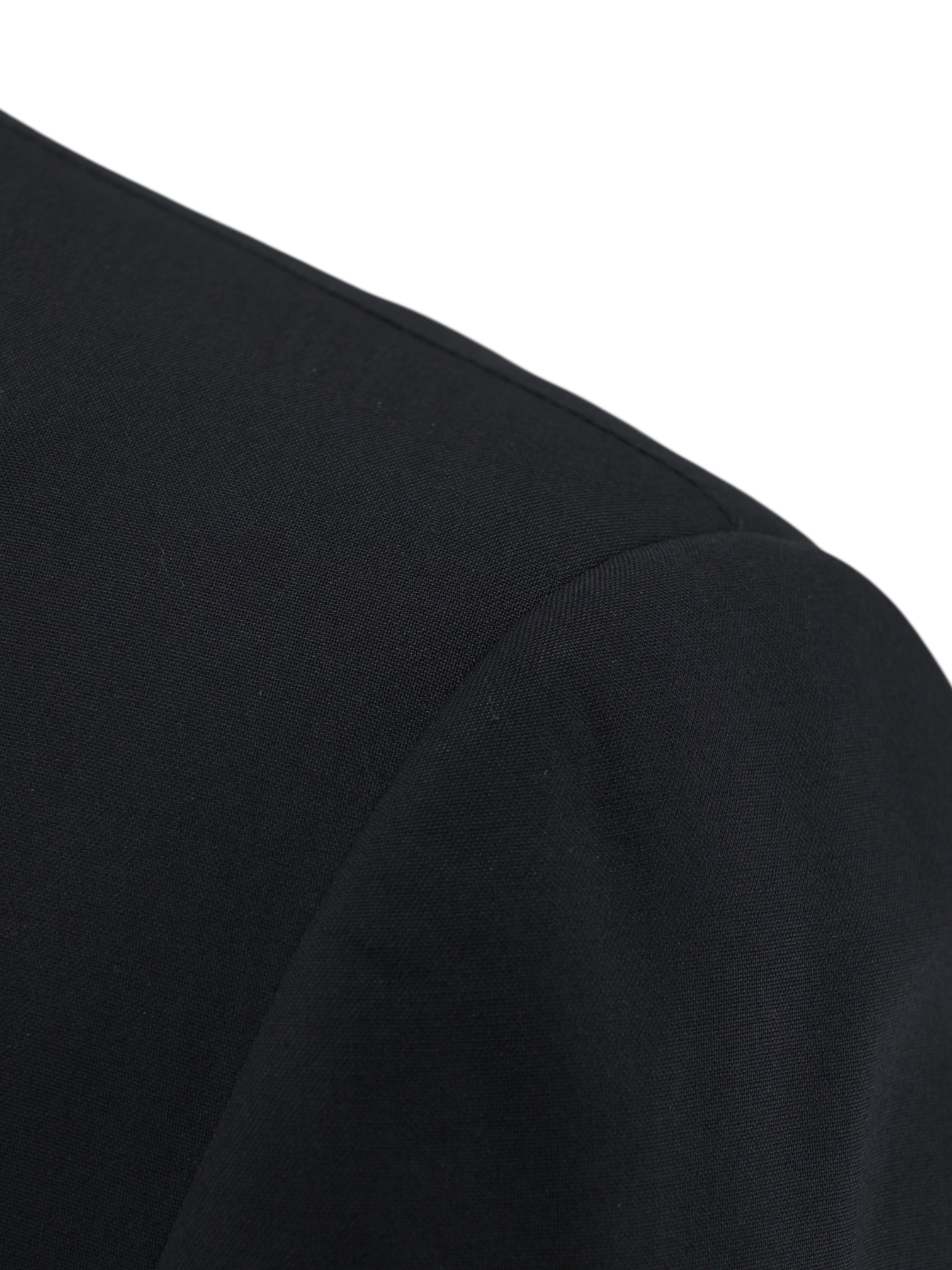
Roped Shoulders
A roped shoulder - or sleeve - head describes the bumped shape or ridge of the sleeve’s attachment to the shoulder. The higher it is, the more imposing the shoulder line appears. This can often be found in iconic British tailoring.
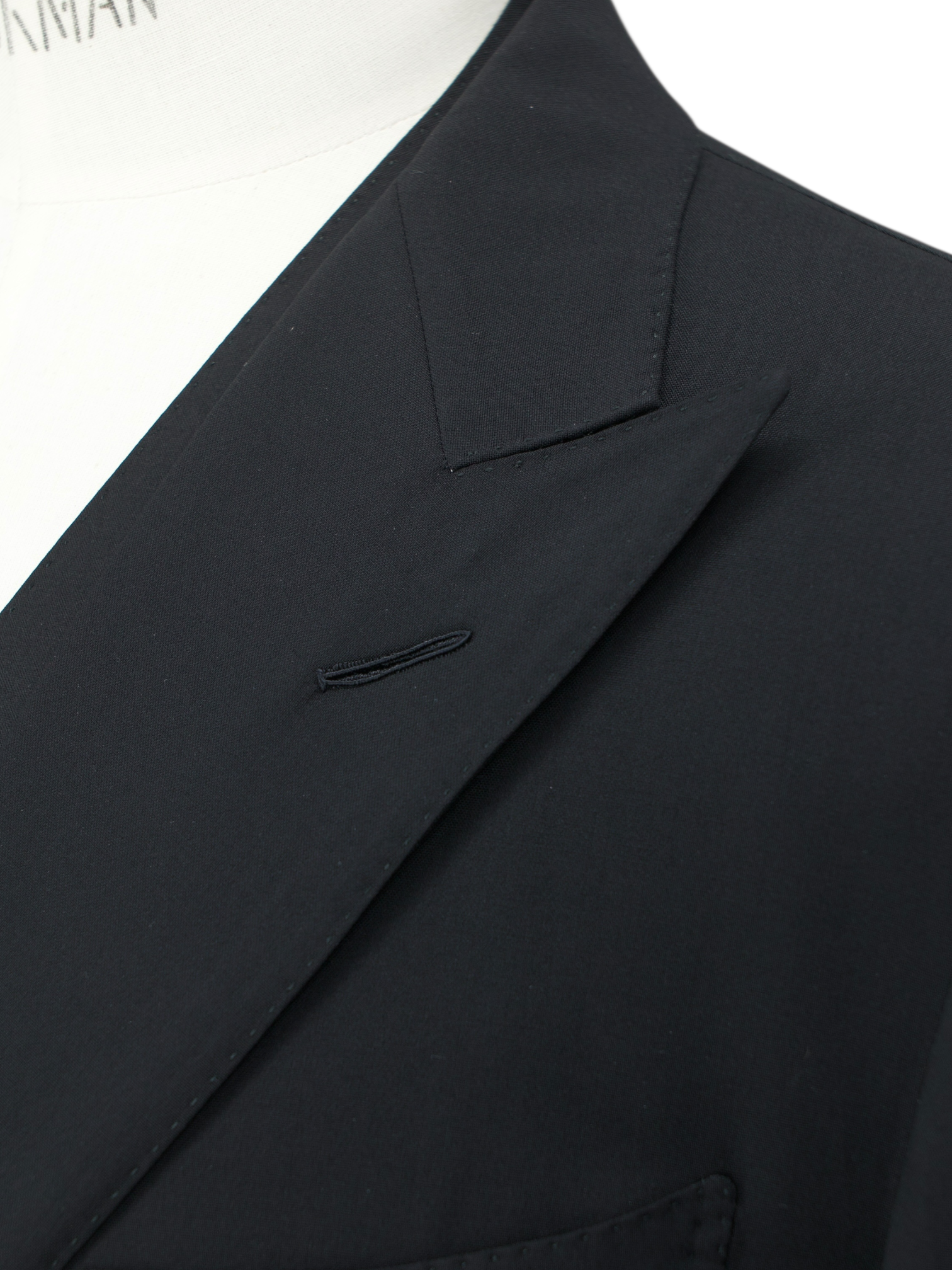
Long Milanese Buttonhole
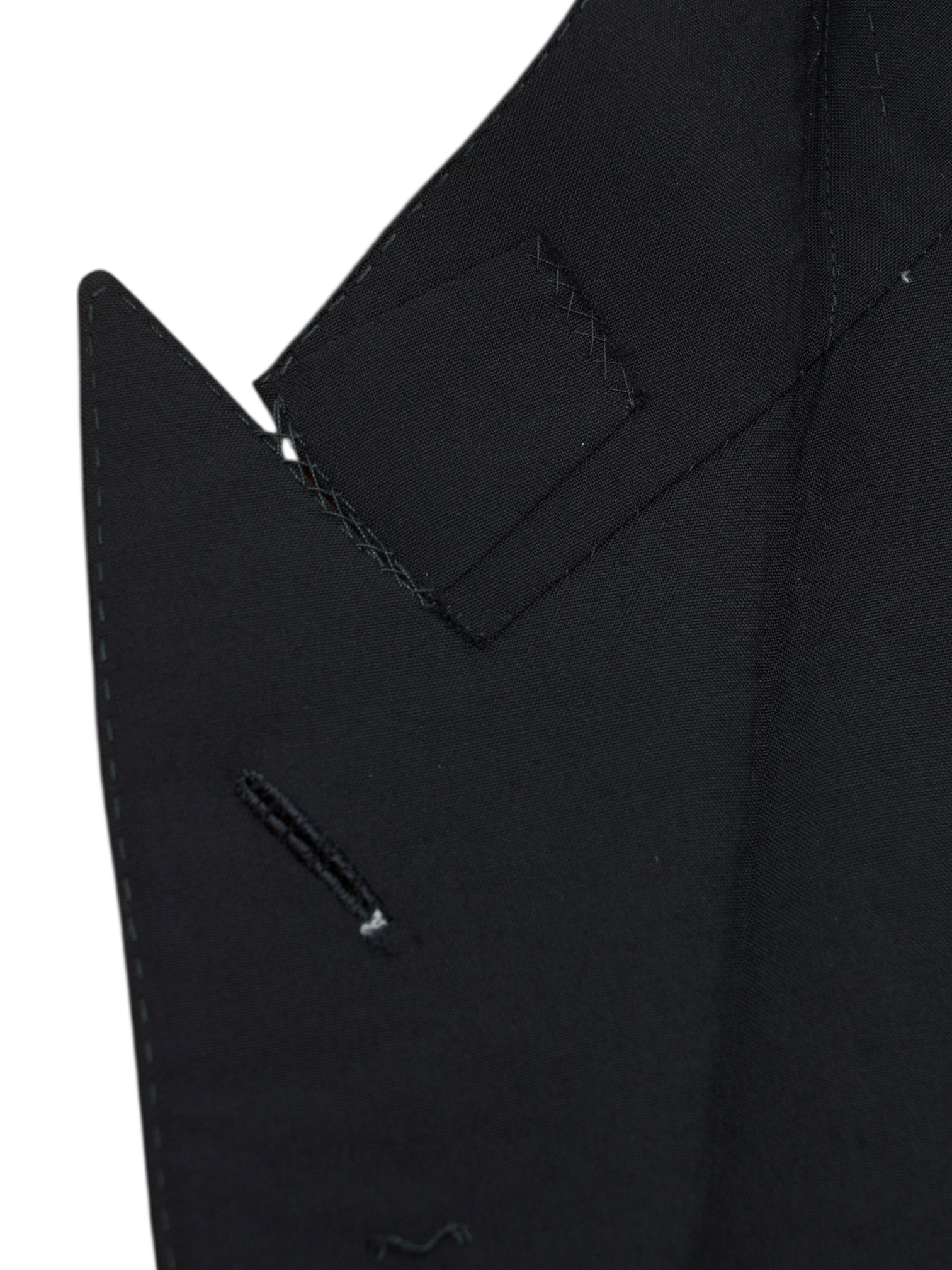
The elegant, longer brother of the Milanese. With its thin and extra long gimp cord inside, this is one of the most challenging buttonholes to make by hand. Even a highly skilled tailor will take about 20 minutes to finish it.
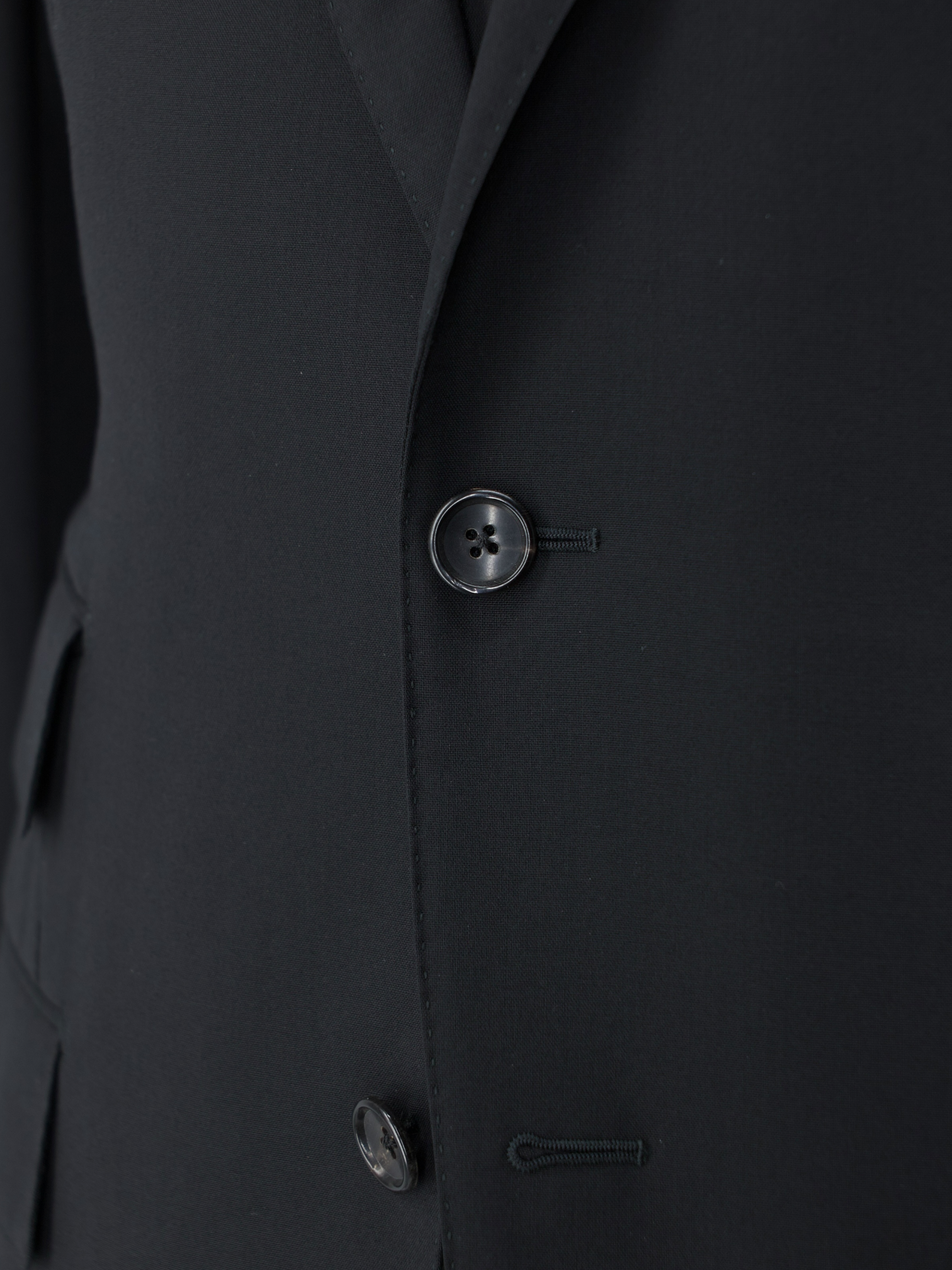
2.5 Button Closure
The ‘tre bottoni stirato a due’, also known as the three rolling on two lapel style, is perhaps the most infamous characteristic of the Neapolitan style jacket. The top button and buttonhole are ornamental, so are left unbuttoned. As the lapel rolls down it elegantly folds over the top button and stops just 4 cm above the second button creating the distinct roll of the lapel the style is known for. As it is intended to remain unbuttoned, the top buttonhole is actually made inside out so the beautiful side will still be visible.
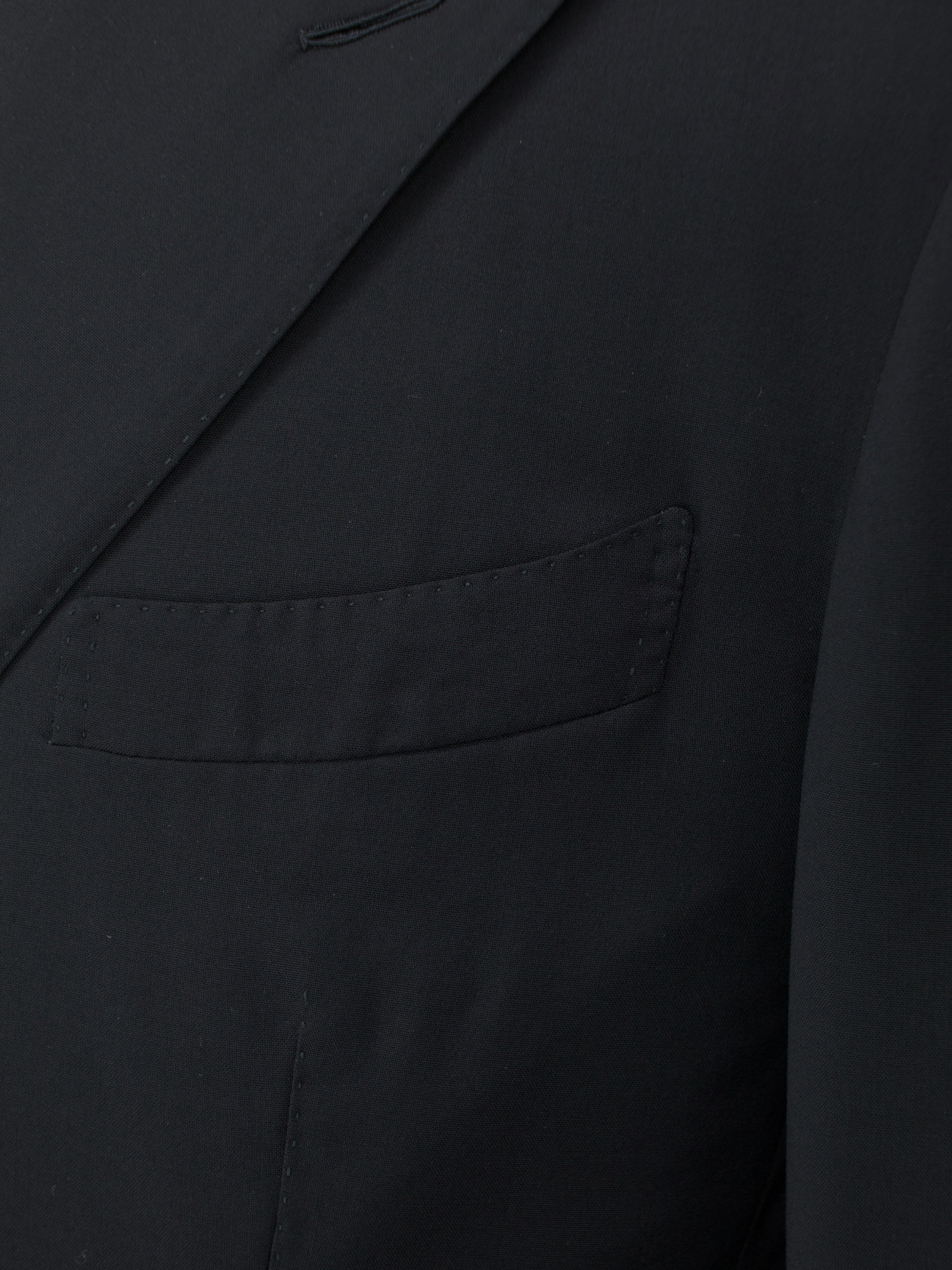
Barchetta Chest Pocket
The barchetta chest pocket is not only curved and blunted, as in the southern Italian style, but the corner is rounder right off.
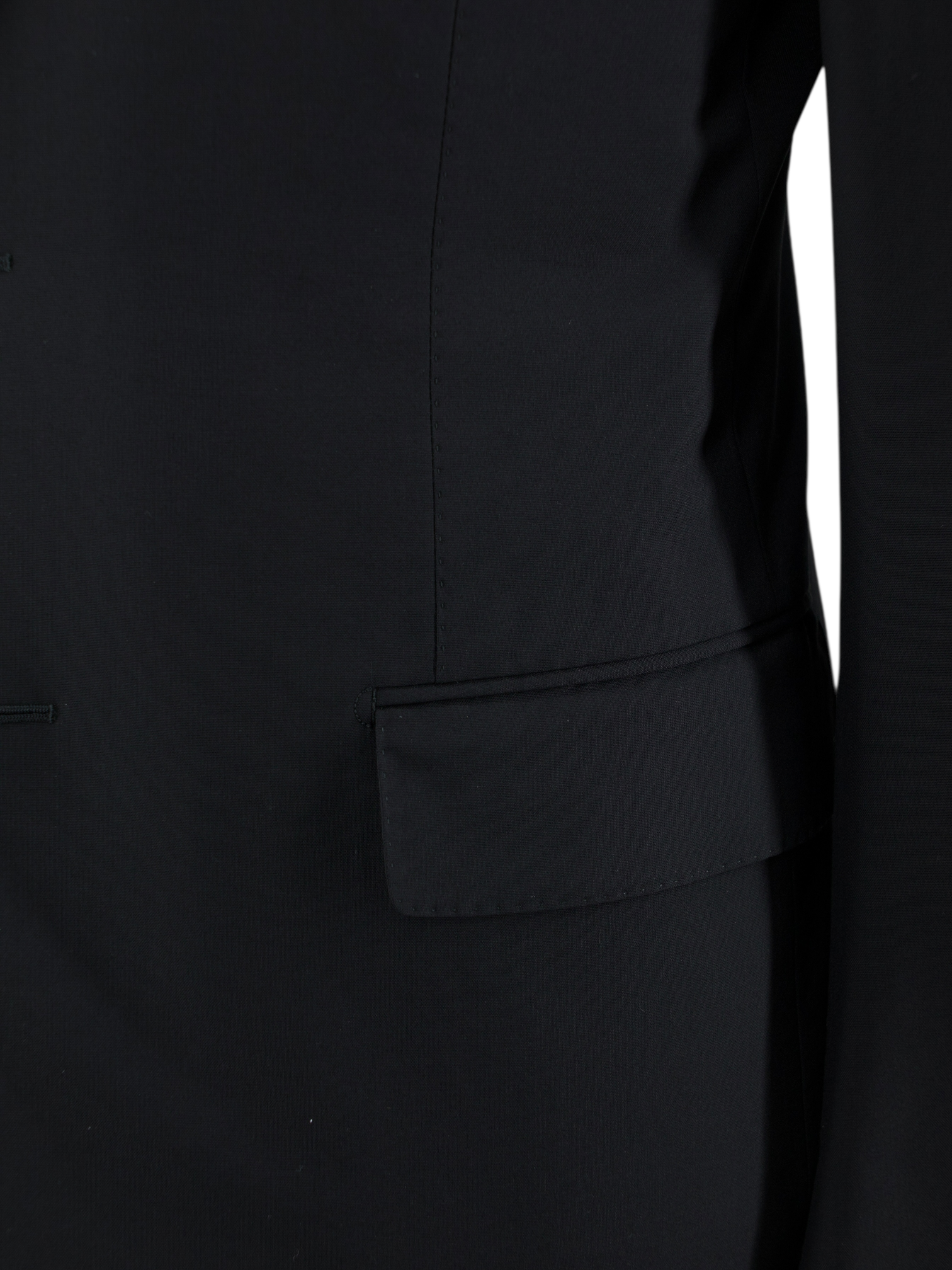
Darts
The tailors adds two darts - think of them as pinched seams - to ensure the jacket’s body achieves a slim silhouette. The process, called mezzo punto riprese, is done entirely by hand.
Unfinished Sleeve
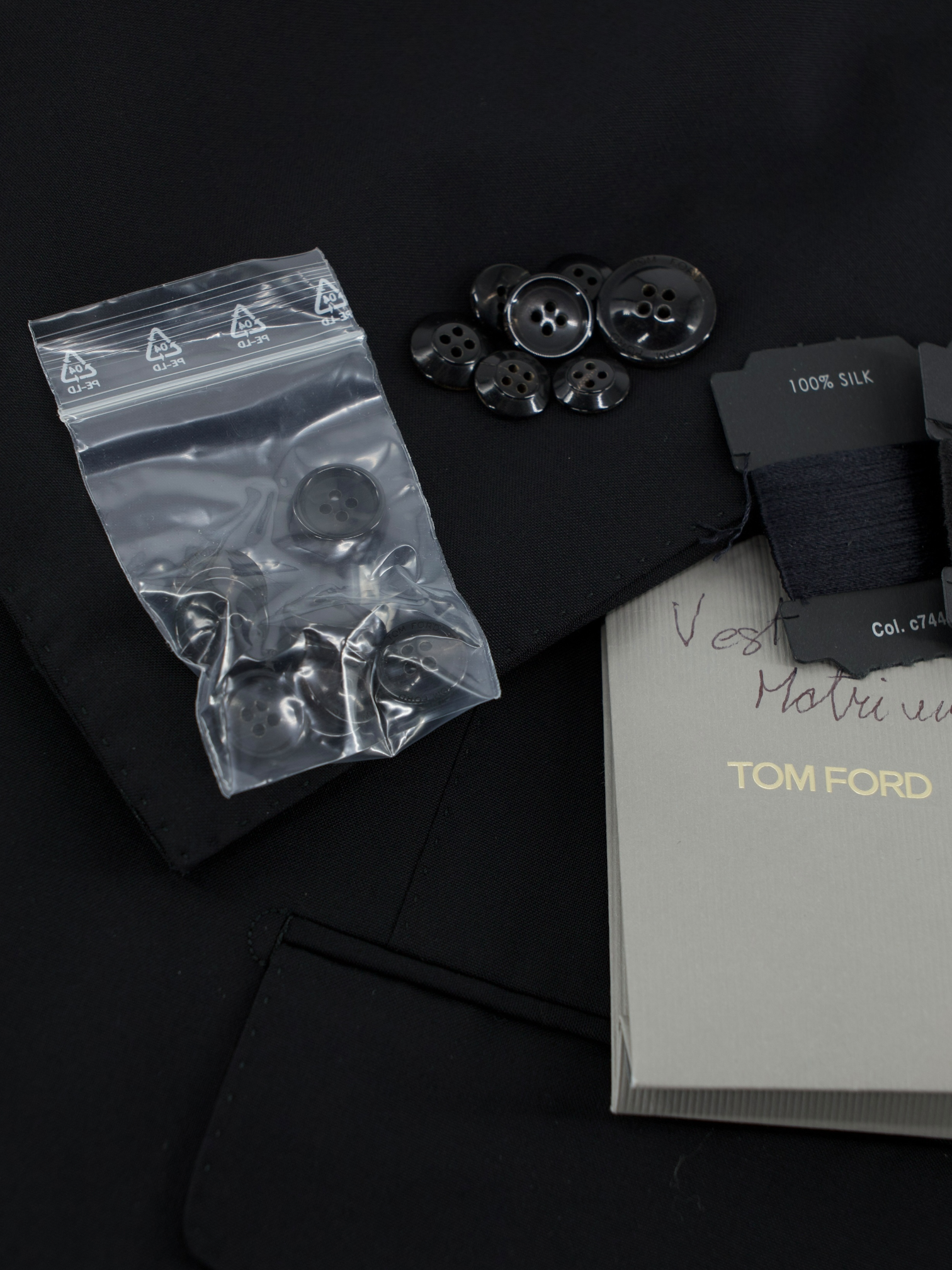
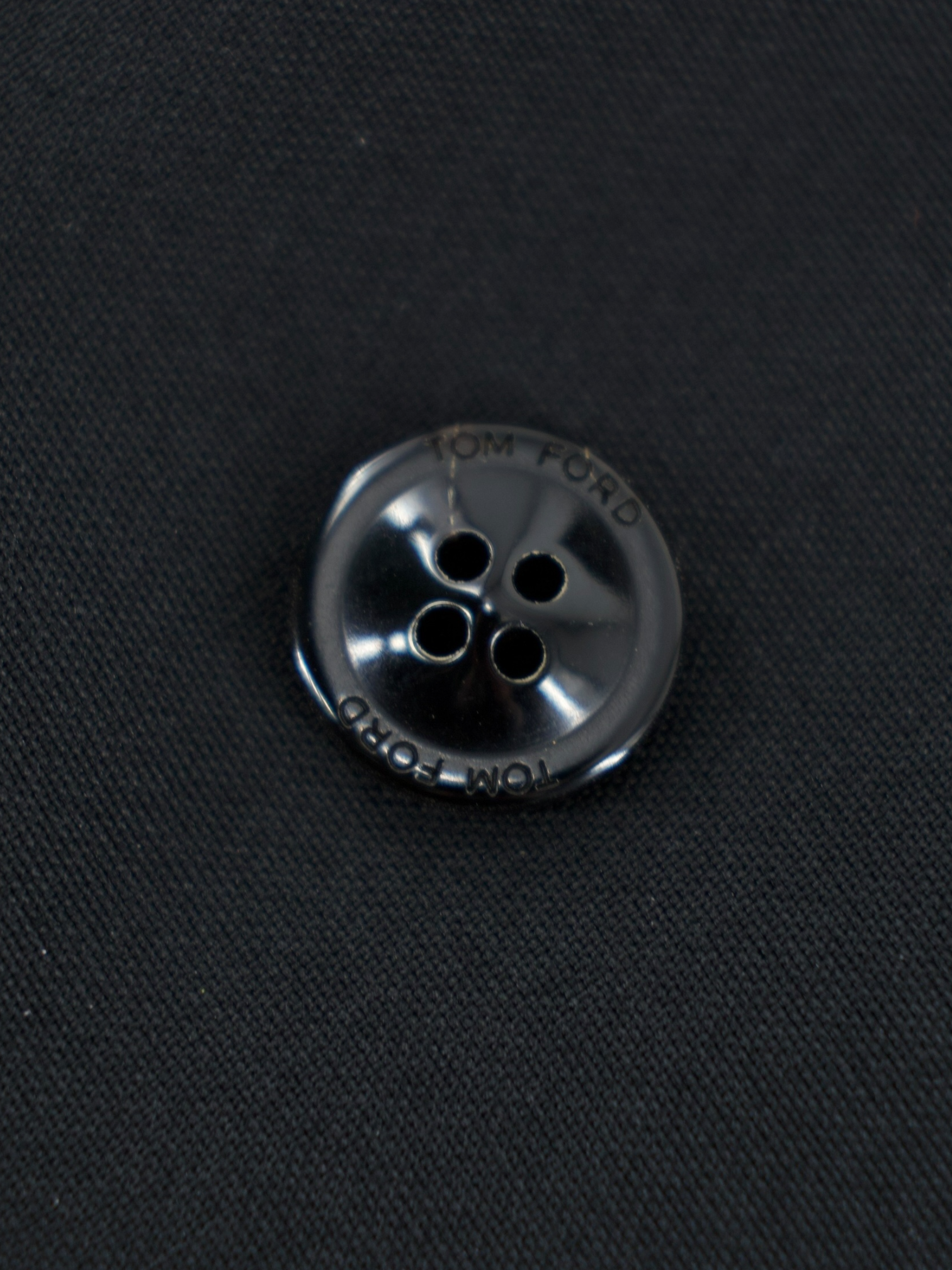
The buttons have to be set and the buttonholes have to be created by a tailor. The (horn) buttons are enclosed within the left inner pocket.
Ticket Pocket
The ticket pocket, also known as change pocket, has an old British history. At first it wasn’t even used to store a ticket, as the name indicates today. It became useful before the huge popularity of the railroad, as it was placed on the jackets of equestrians who needed quick access to coins at toll points. Allowing gentlemen to keep their jackets buttoned, this exterior pocket held cash in an extremely convenient way. Ticket pockets were a staple on men’s sturdy country suits before they adapted into the urban suits men wore to commute on a daily basis.
the details of
the trousers
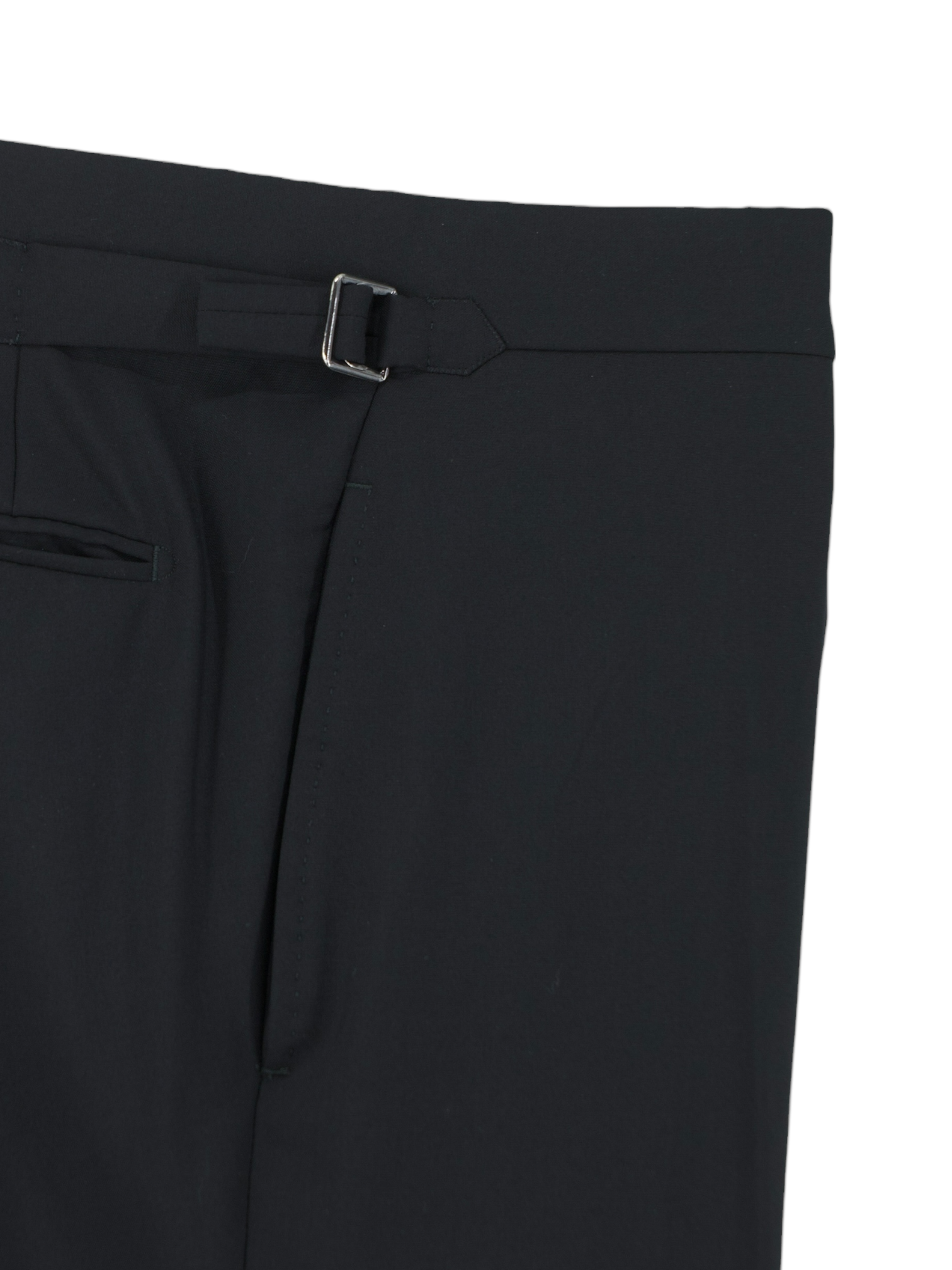
Flat Front
Flat-front trousers are a go-to for a modern, clean look. They became popular in the 1960s and 1970s when fashion started leaning towards simpler, more streamlined styles. Unlike pleated pants, flat fronts have no extra fabric at the waist, giving them a sleek appearance that's perfect for a slimmer silhouette. They fit right into both casual and business casual settings, making them incredibly versatile. As a result, they are a favorite for anyone looking to maintain a contemporary vibe in their wardrobe.
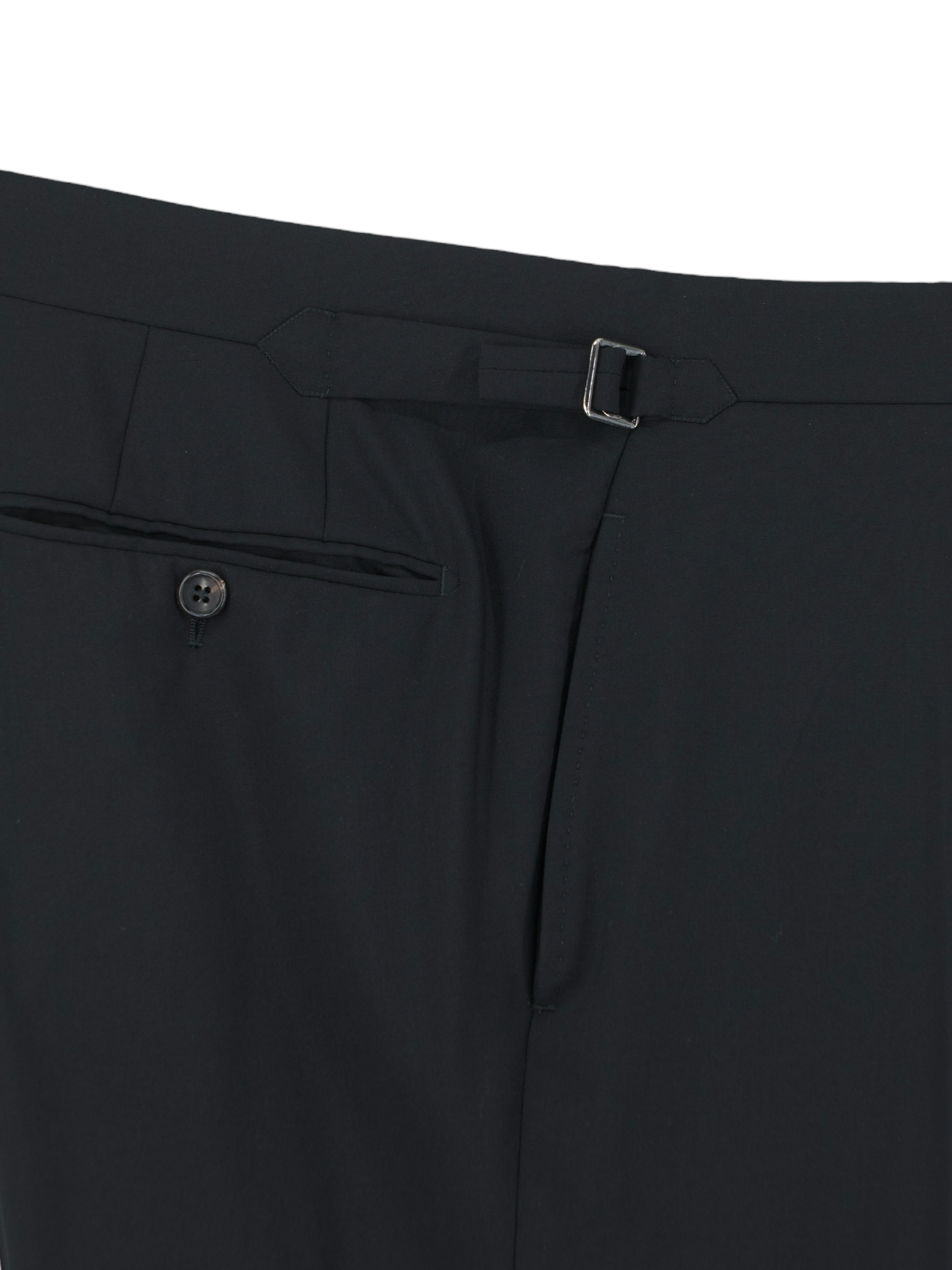
Side Adjusters
Side adjusters are a stylish alternative to belts, offering a clean look without the need for additional accessories. These adjusters are typically small buckles or tabs located on each side of the waistband, allowing you to tighten or loosen the trousers for a perfect fit. Popular in bespoke tailoring and high-end menswear, side adjusters provide a sleek and polished appearance. They are particularly favored in formal and semi-formal settings, as they maintain the silhouette of the trousers without the bulk of a belt.
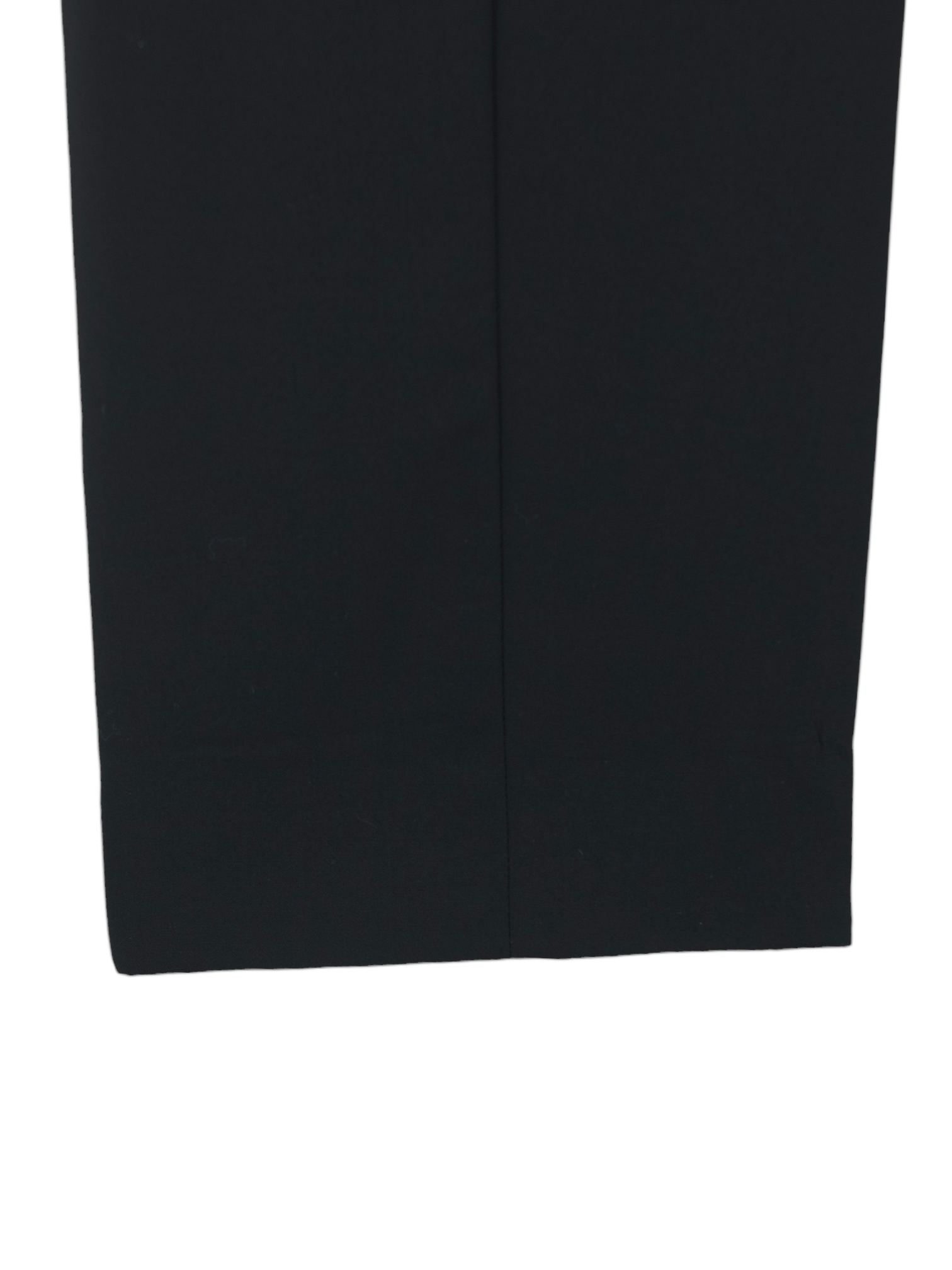
Plain, Blind Hem
The plain, blind hem is a sophisticated and subtle finishing technique that provides a clean and polished look to trousers. This type of hem involves folding the fabric under and securing it with stitches that are nearly invisible from the outside, creating a smooth and uninterrupted line. It is a popular choice for dress trousers and formalwear, where maintaining a seamless appearance is key. The plain, blind hem combines the simplicity of a plain hem with the elegance of hidden stitching, making it ideal for professional and elegant attire.
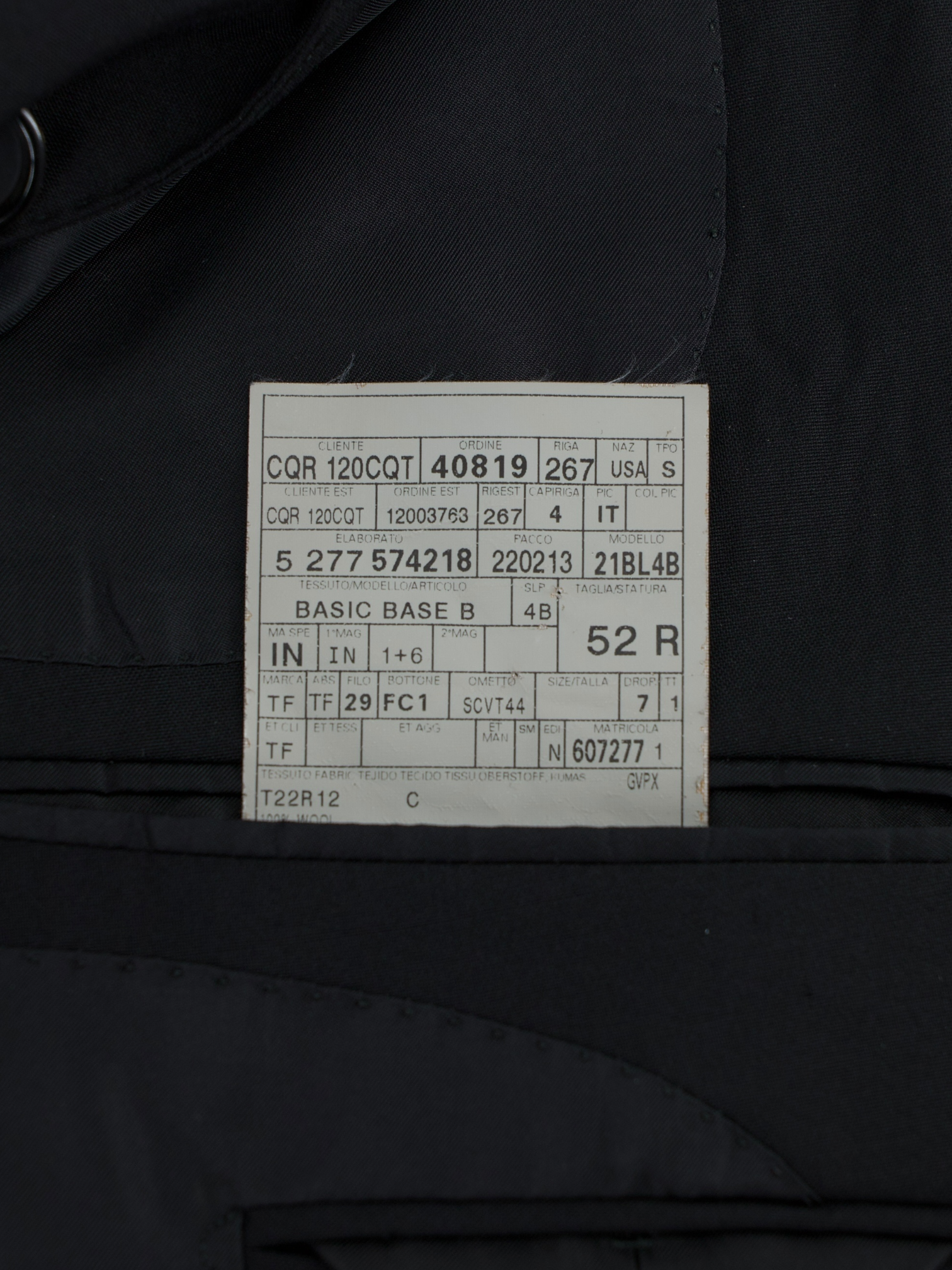
size
52 IT / 42 US / Large
