
Brioni Navy Fine-Wool Classic Nomentano Pak
60 IT / 50 US / Extra Extra Extra Large
 Curator's Description
 Curator's Description
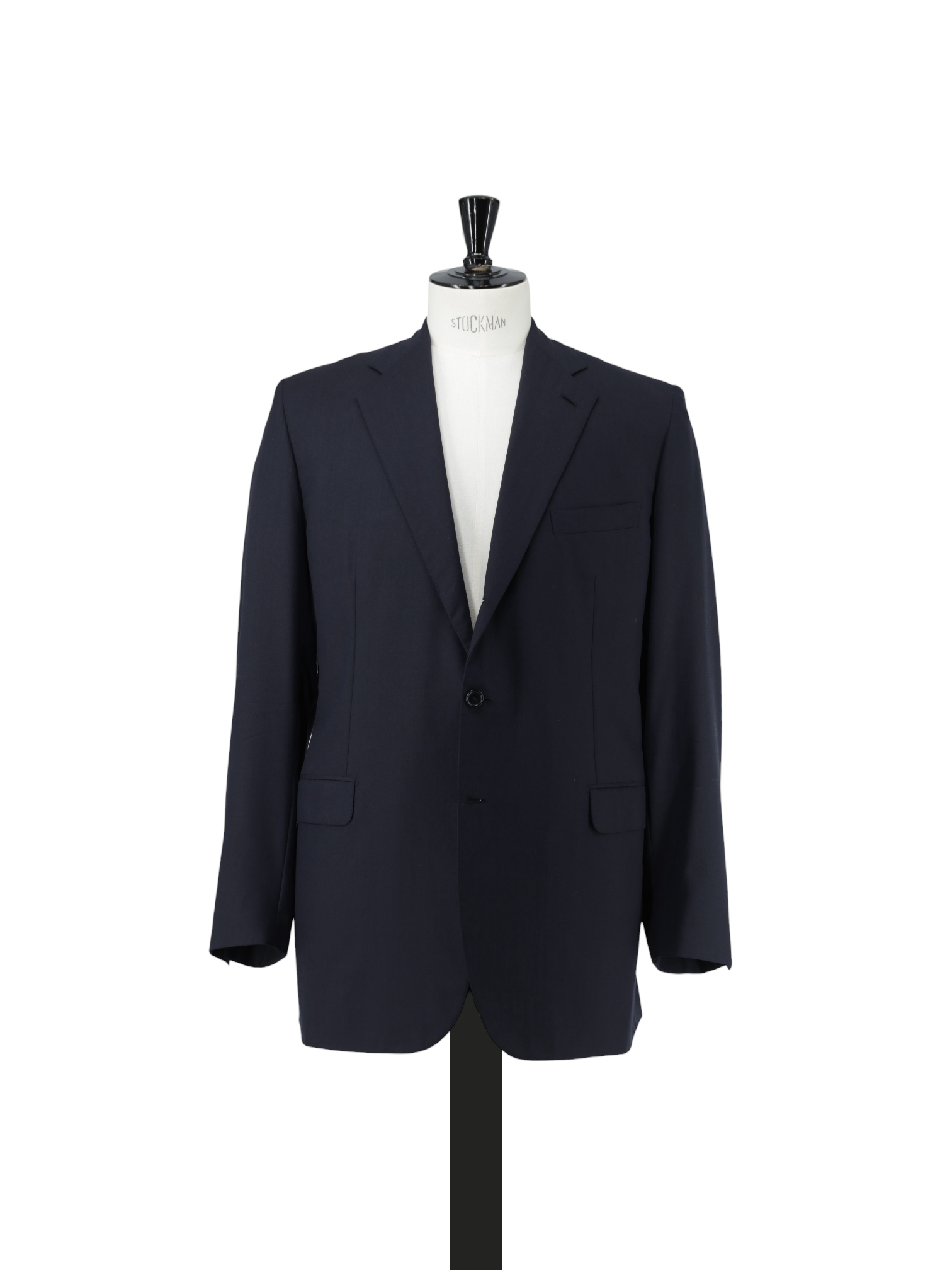
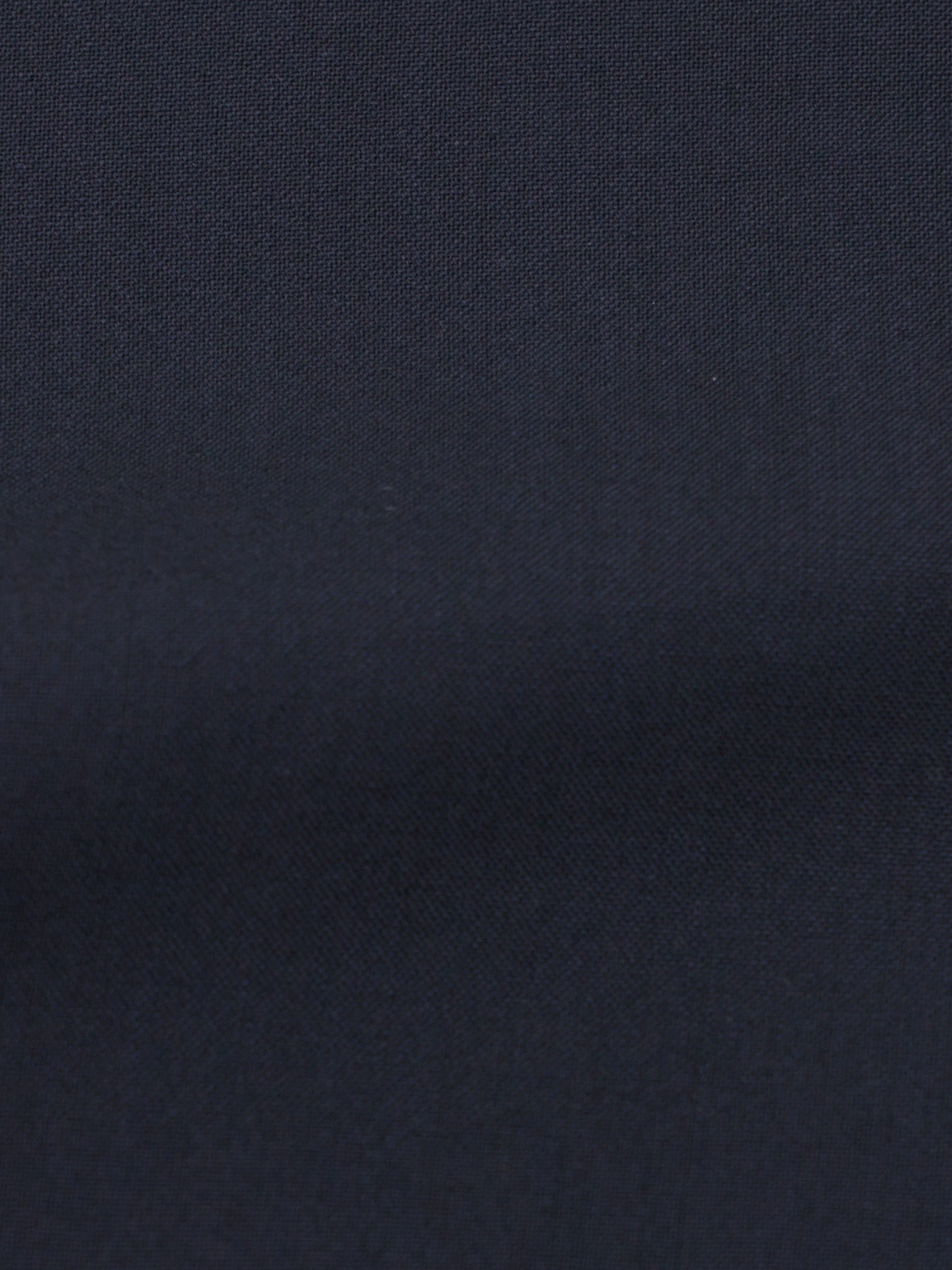
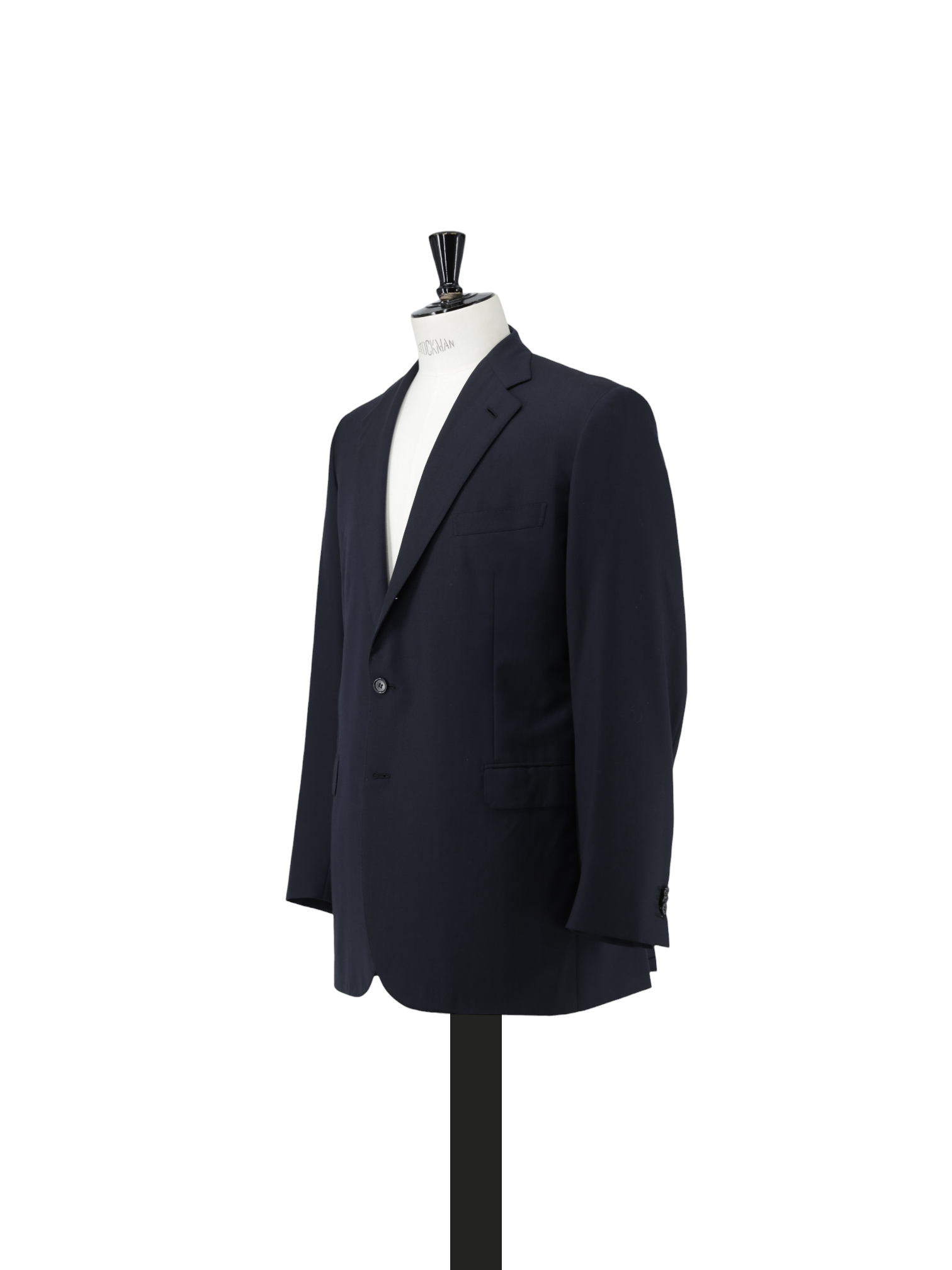
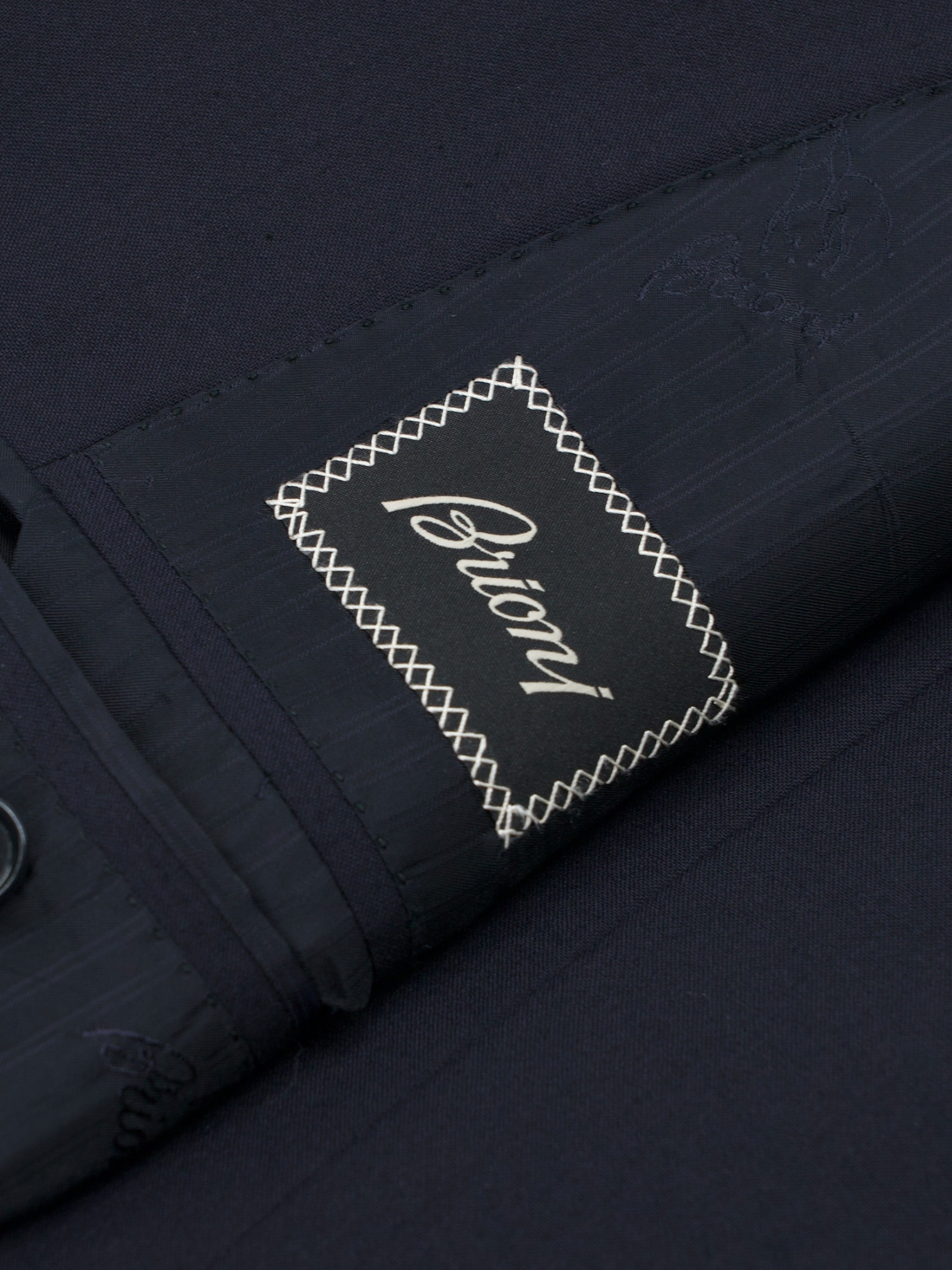
Discover the Brioni navy fine‑wool classic Nomentano pak, a suit that feels rooted in Italian tailoring tradition yet refined in every detail. The navy cloth has a deep, reassuring tone and a fine worsted hand that drapes cleanly, giving the jacket a poised presence on the body. Notch lapels and horn buttons keep the expression timeless, and a fully lined interior ensures the suit feels smooth and complete from first wear to many more afterwards. It’s the sort of piece that reads confident without ever shouting.
The Nomentano fit is one of Brioni’s signature ready‑to‑wear cuts, and its character lies in a measured balance between structure and ease. Compared with some of the house’s more relaxed models, Nomentano typically presents a slightly trimmer silhouette, with a higher button stance and a more defined shape through the chest and waist that lends a refined, upright carriage without feeling constricted. Shoulders are tailored with a classic Roman influence, giving shape and presence without exaggerated padding, and the higher fastening point helps the jacket sit neatly when buttoned. It’s a fit that feels neither overly slim nor too generous, offering a poised line that works equally well in formal settings and more elevated everyday wear. This is sartorial culture translated into a cut that is both classic and quietly assured. Discover the elaborated sartorial details below.
 Materials
 Materials
Composition: 100% Wool
Color: Navy
Pattern: Plain
 Measurements
 Measurements
See how we measure our sartorial items
Discover the customization possibilities by visiting our tailor alteration guide
Shipping
• Complimentary shipping on orders over €200 (Netherlands), €500 (EU), and €1,000 (rest of world
• Orders below these thresholds are charged based on destination
• All items ship directly from Amsterdam, The Netherlands
• Customs duties and import fees outside the EU are the customer’s responsibility
Returns
EU customers have the right to withdraw within 14 days of delivery.
• Return shipping is at the customer’s expense
• Items must be returned unworn and in original condition
• Any use beyond indoor fitting may result in a diminished refund
Orders outside the European Union are exported goods and considered final sale (no returns).
Altered or tailored items are final sale.
Please review measurements and quality control comments carefully before ordering. As a small independent boutique we encourage thoughtful purchasing. For any questions, feel free to contact us before placing your order.
General Note: While we inspect each item to ensure its quality, please note that minor imperfections may be present due to the preloved nature of the garments. We strive to represent every item accurately, but subtle signs of wear may sometimes go unnoticed. We appreciate your understanding and commitment to sustainable luxury.
Choose options
Discover the
Sartorial Details
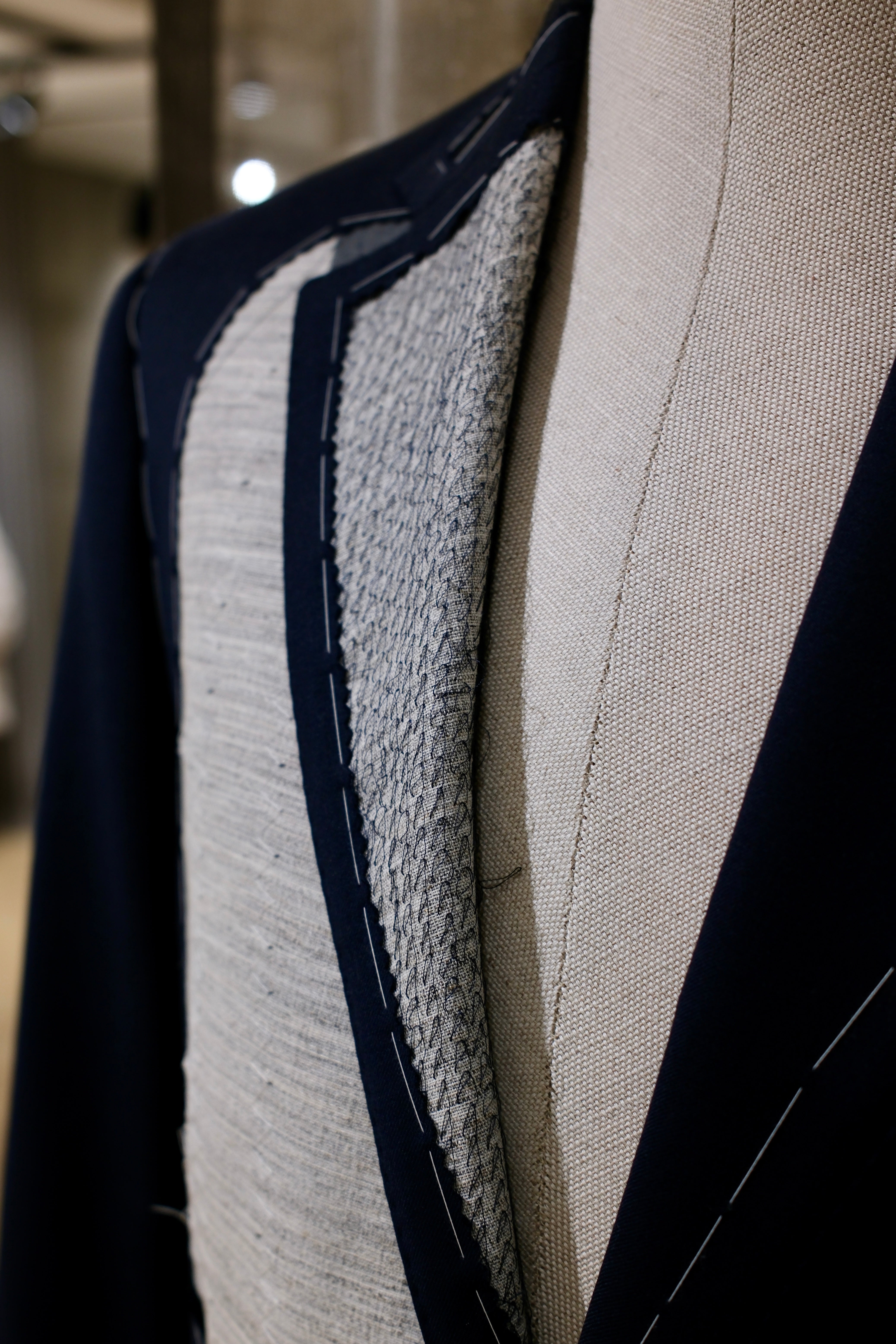
Full Canvas Construction
A sartorial jacket - or coat - needs an interlining that will help give it shape and mold it. Canvas gives the item a tailored and crafted look. In short, it breathes life into it. Purely technical, canvas is made from either horsehair, wool, mohair or camel hair. It could also be a mix of them all, with varying thickness and weight. The canvas is stitched to the jacket, often by hand, thus making the canvas pieces 'floating' in the middle of the inner and outer cloth. This gives the jacket added flexibility. The canvas runs from the upper parts, all the way down to the end of the jacket. After you wear your canvassed suit for a while, it will begin to take your shape and look incredibly natural.
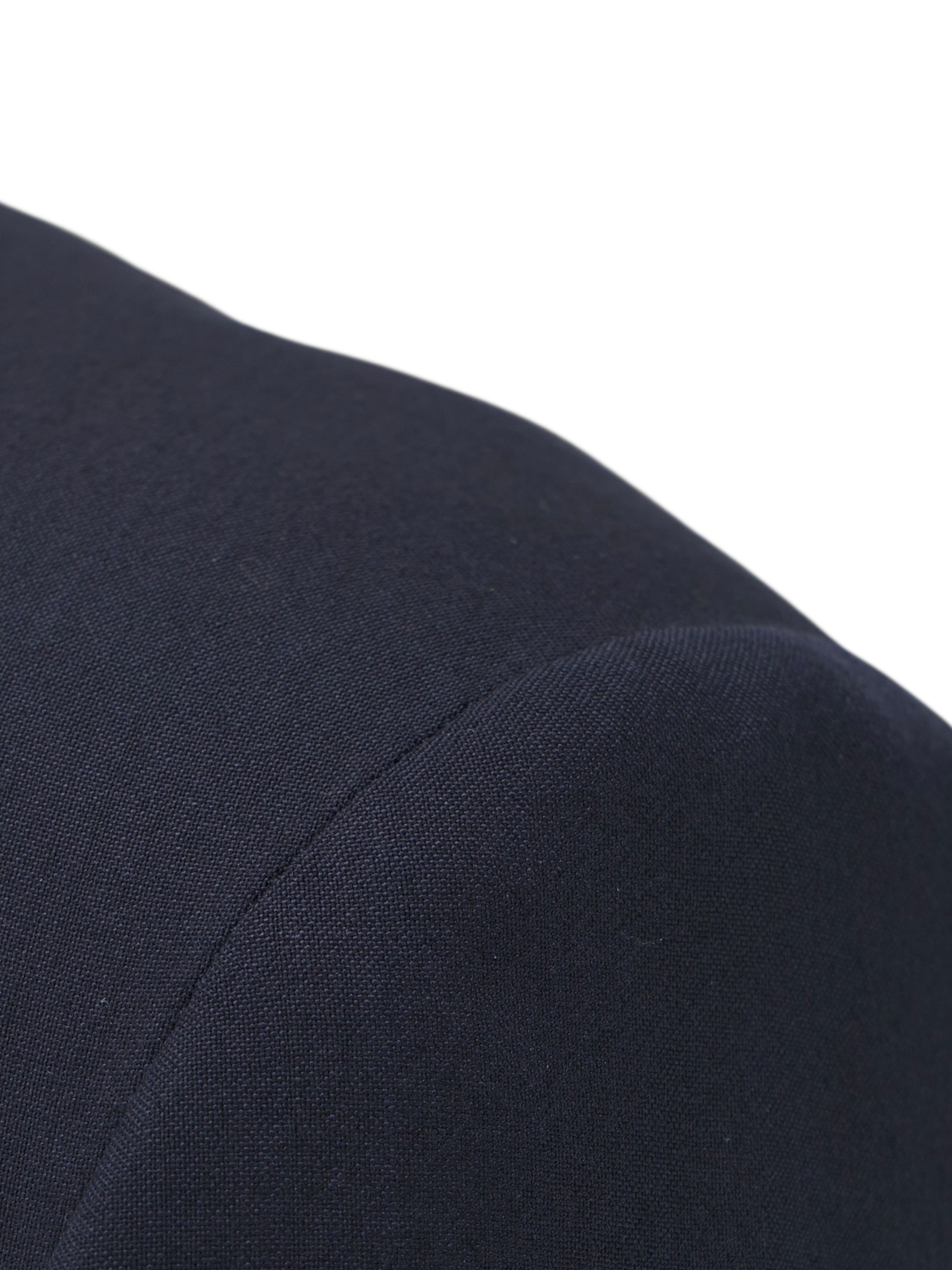
Roman Style Shoulders
Characterised by a clean, strong silhouette, the Roman style has its origins in the military and equestrian style on Savile Row. While the heavily structured, military-inspired suits with strong shoulders and stiff canvassing were fitting of English nobles, the staid style was not an adequate reflection of the Italian way of life. As Italian tailoring grew into its own, though, different styles began to develop. In Naples unstructured whimsical Neapolitan suiting took hold. In Rome, where Brioni was born, the style evolved more subtly. The structured British style was made more voluminous, body conscious, and free-flowing without losing too much of the signature Saville Row shape.
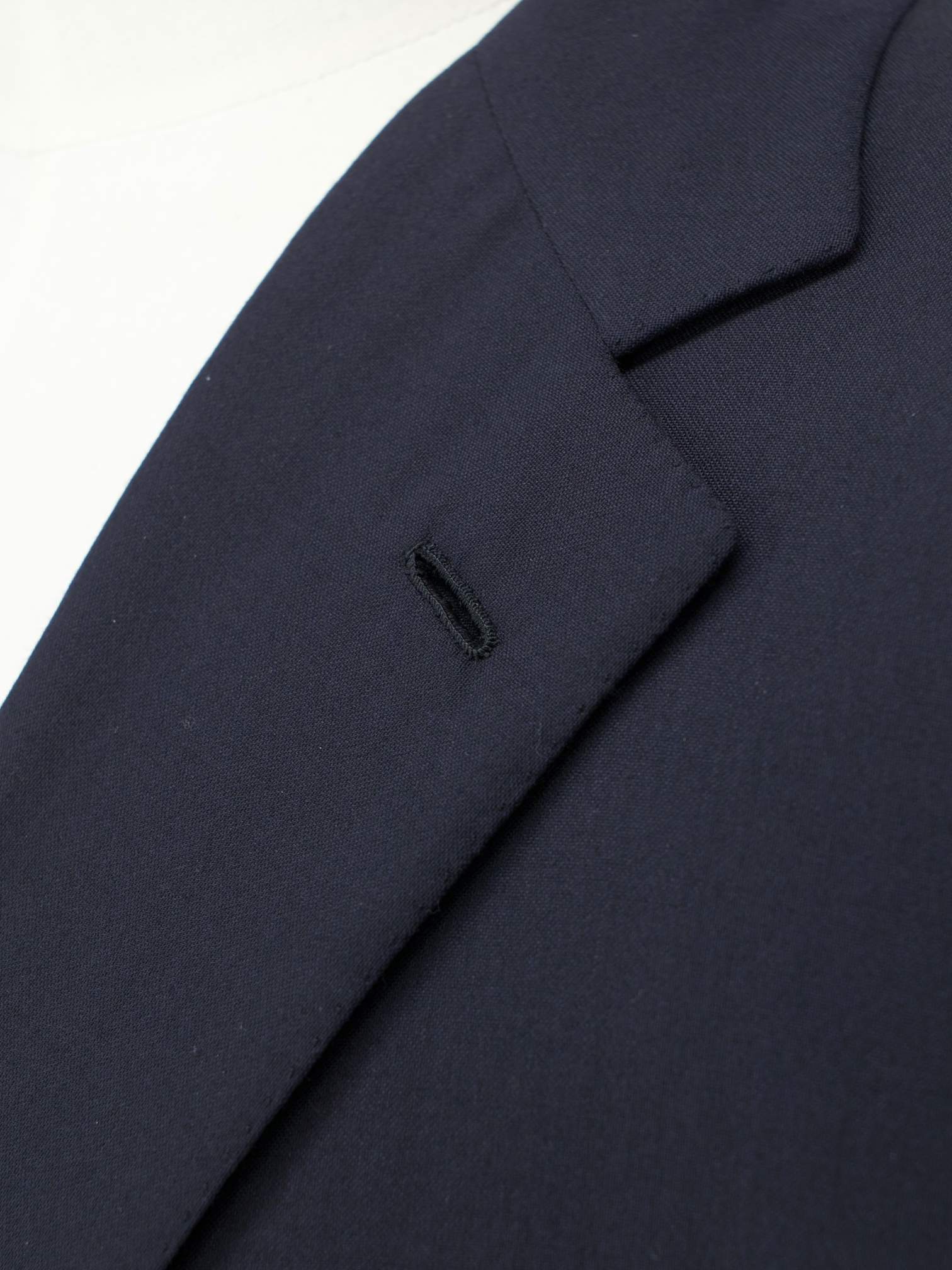
Handmade Buttonhole
Handmade buttonholes are made using a chain of knotted loops called purl stitches that make them strong and visually distinctive. It takes about five seconds to sew a regular buttonhole with a machine – a single handmade buttonhole takes about 10 minutes to sew.
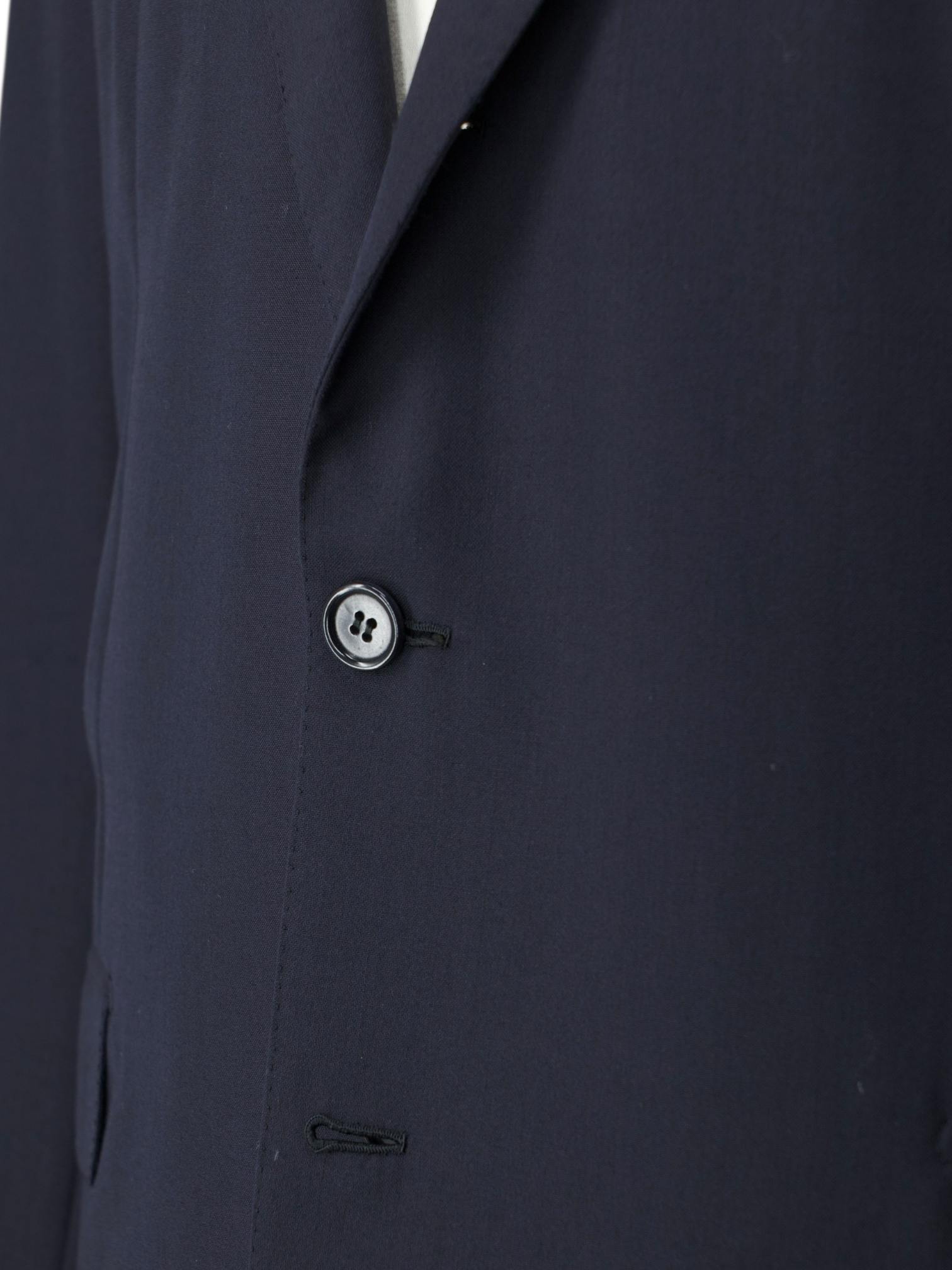
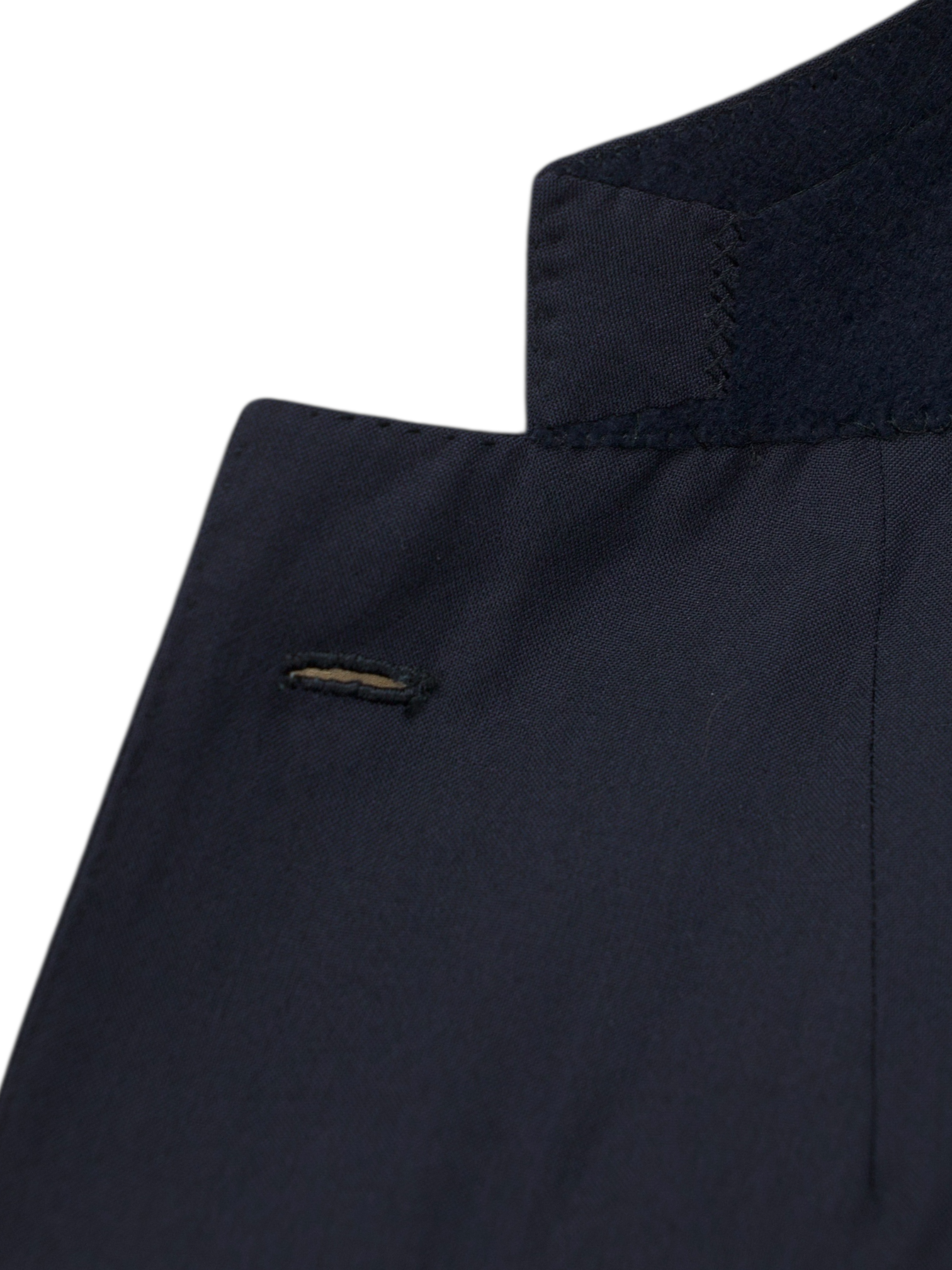
2.5 Button Closure
The ‘tre bottoni stirato a due’, also known as the three rolling on two lapel style, is perhaps the most infamous characteristic of the Neapolitan style jacket. The top button and buttonhole are ornamental, so are left unbuttoned. As the lapel rolls down it elegantly folds over the top button and stops just 4 cm above the second button creating the distinct roll of the lapel the style is known for. As it is intended to remain unbuttoned, the top buttonhole is actually made inside out so the beautiful side will still be visible.
Chest pocket - Rounded welt pocket
Also known as ‘barchetta’ Italian for ‘little boat’, it is so named because this pocket floats on the chest gently angled upward, just like the bow of a sailboat. These pockets echo the lively roll of a lapel that carries the spring of canvas and natural wool, unlike machine-made chest pockets that have a more stamped-out, rectangular shape and less life.
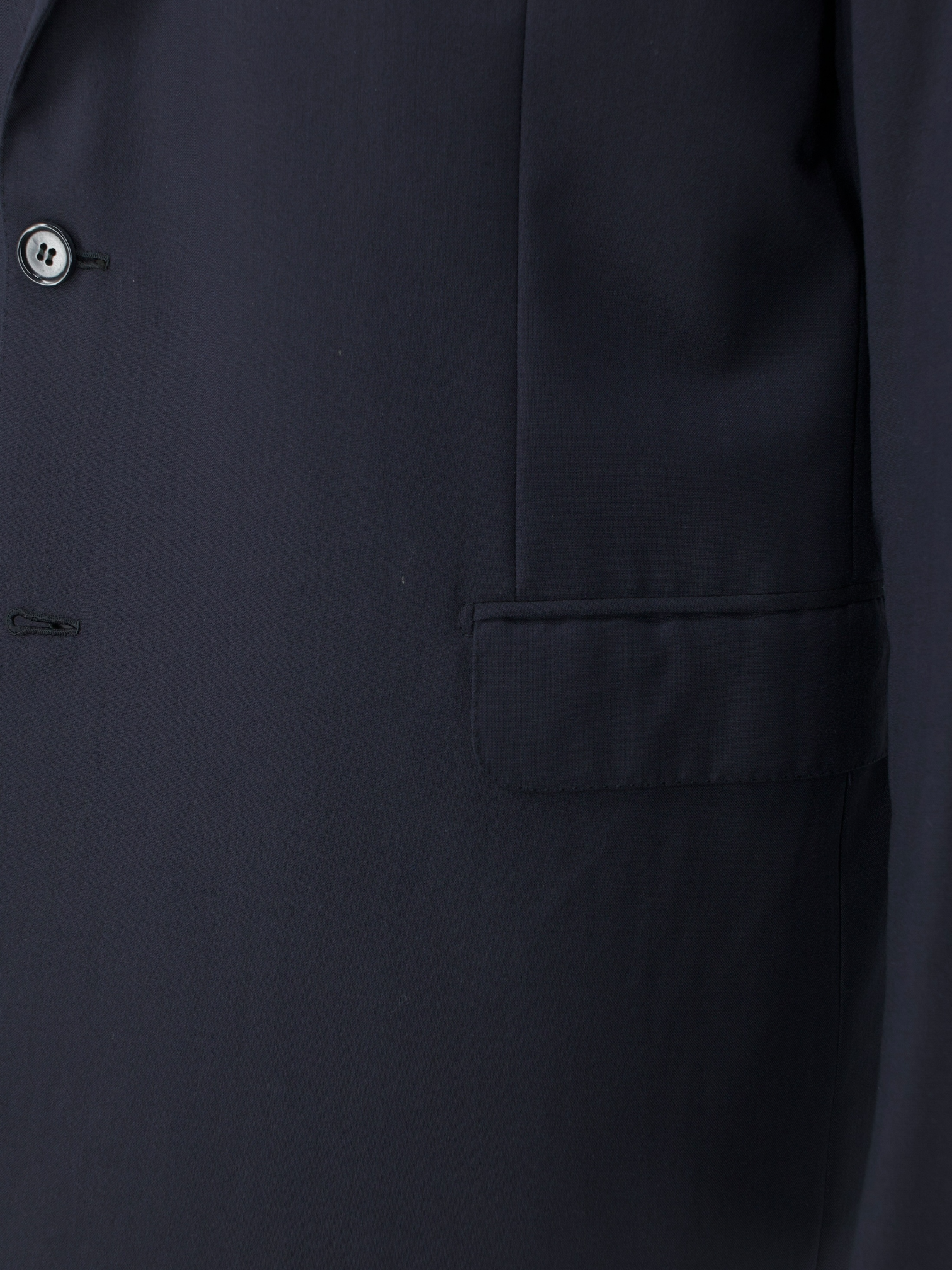
Darts
The tailors adds two darts - think of them as pinched seams - to ensure the jacket’s body achieves a slim silhouette. The process, called mezzo punto riprese, is done entirely by hand.
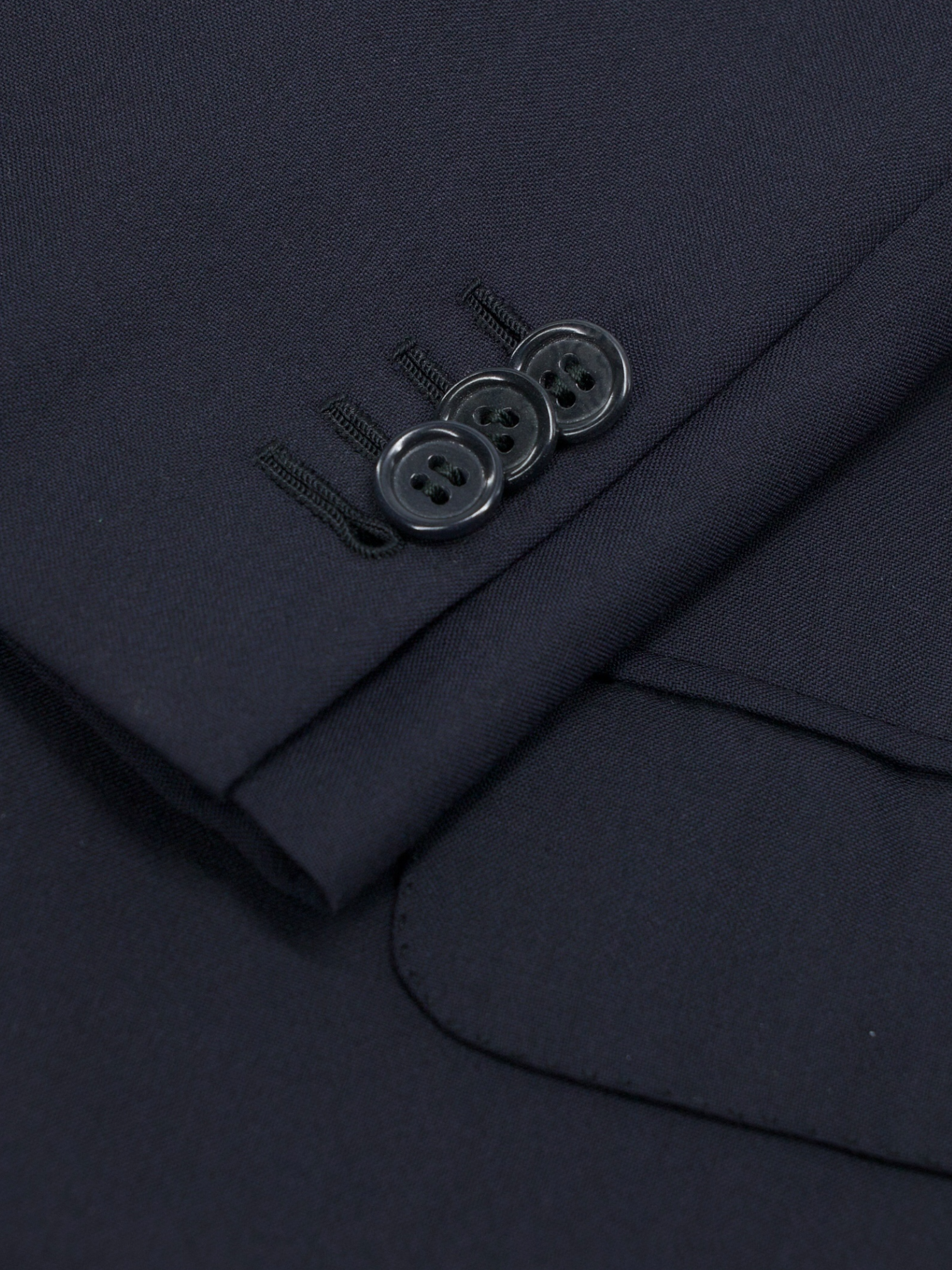
Horn Buttons
Horn buttons are prized for their quality. They are made with the finest genuine horn material, improving the appearance of the suit. And because they are so strong, you don't have to worry about them cracking or breaking.
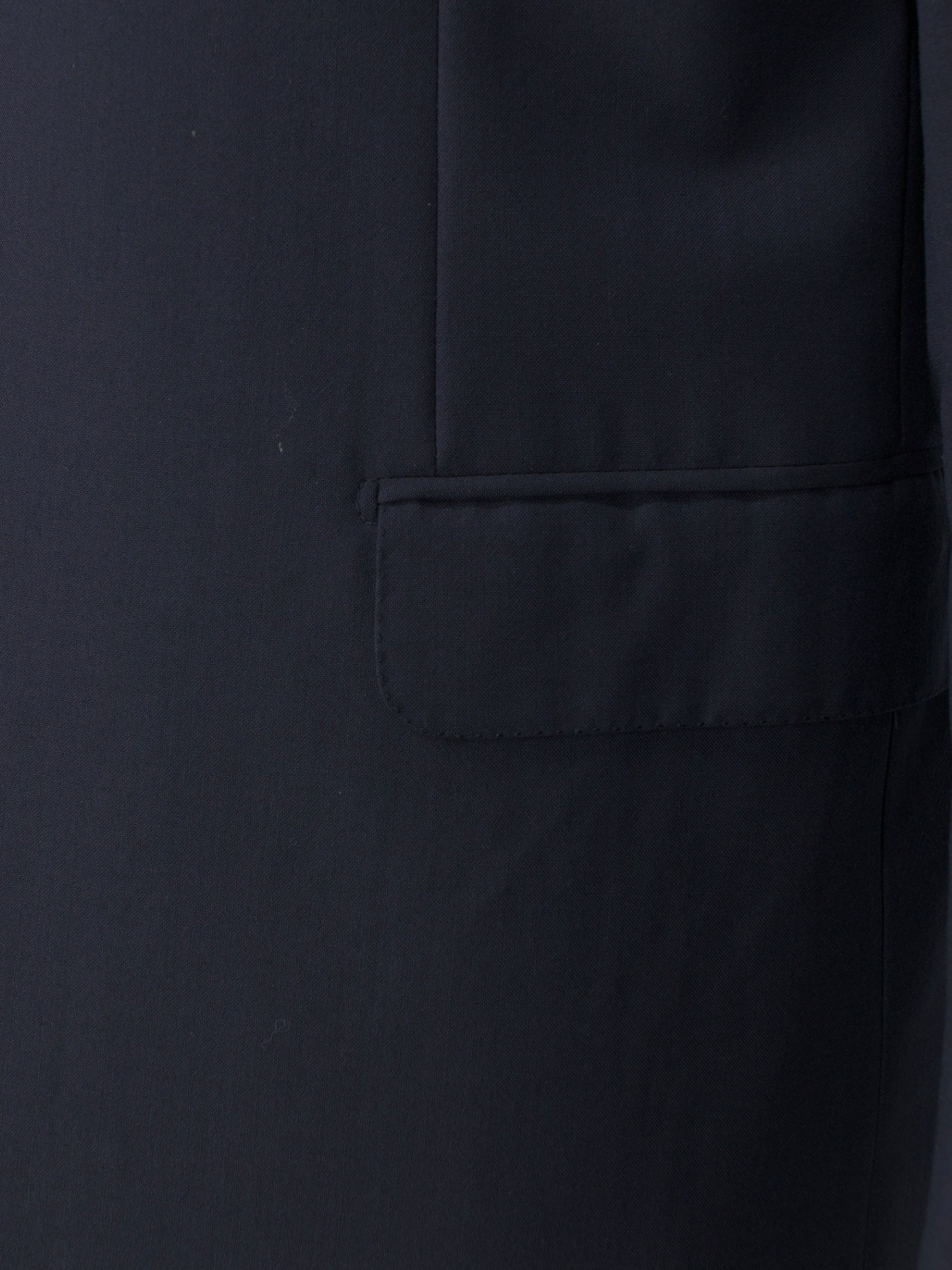
Flap Pockets
This was originally supposed to keep debris from getting into jacket pockets when worn in the country. Flap pockets occupy a sort of middle ground in terms of formality: they are the main choice for business suits, but they can also appear on sport coats as a testament to their casual origins.
the details of
the trousers
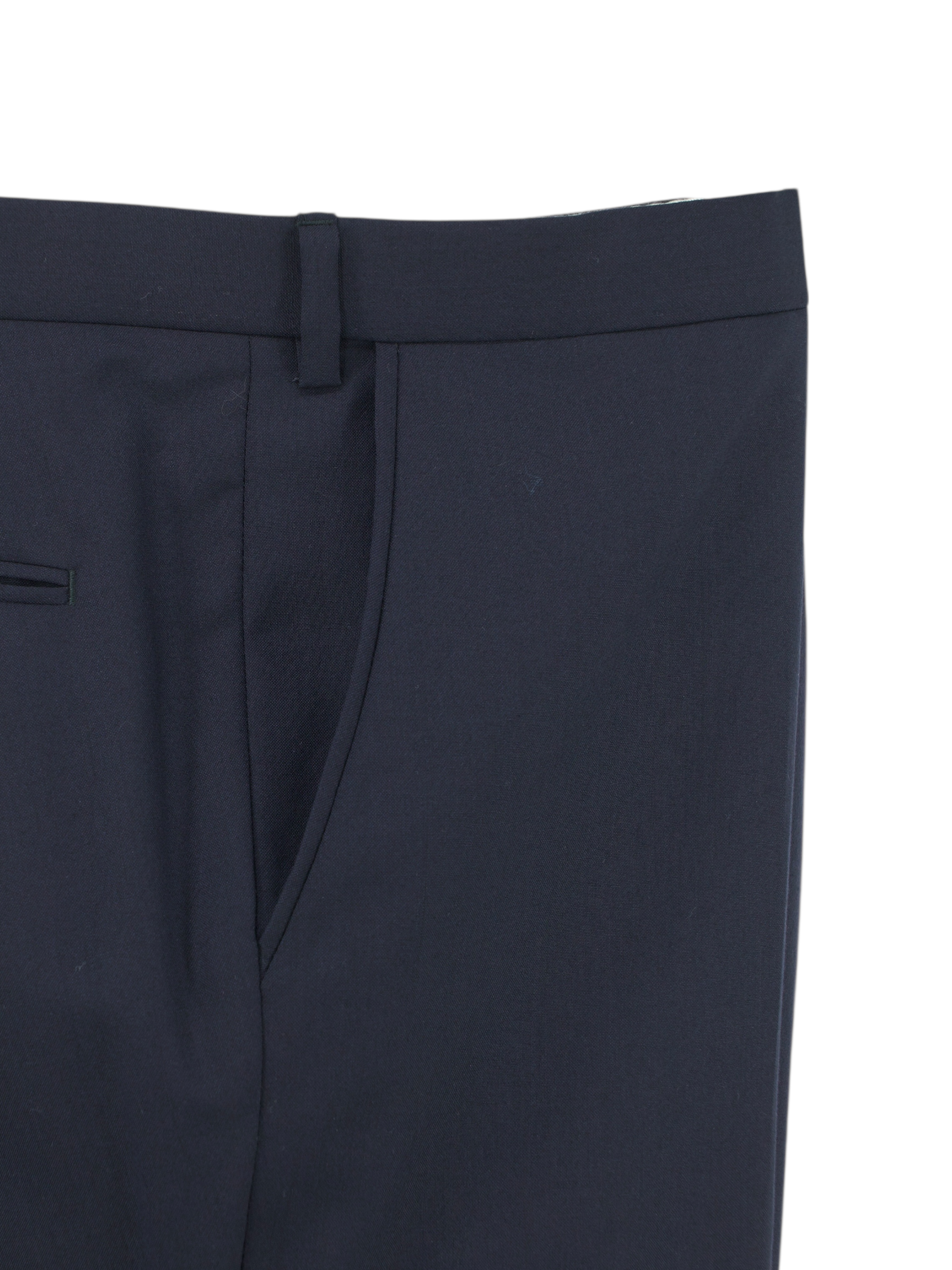
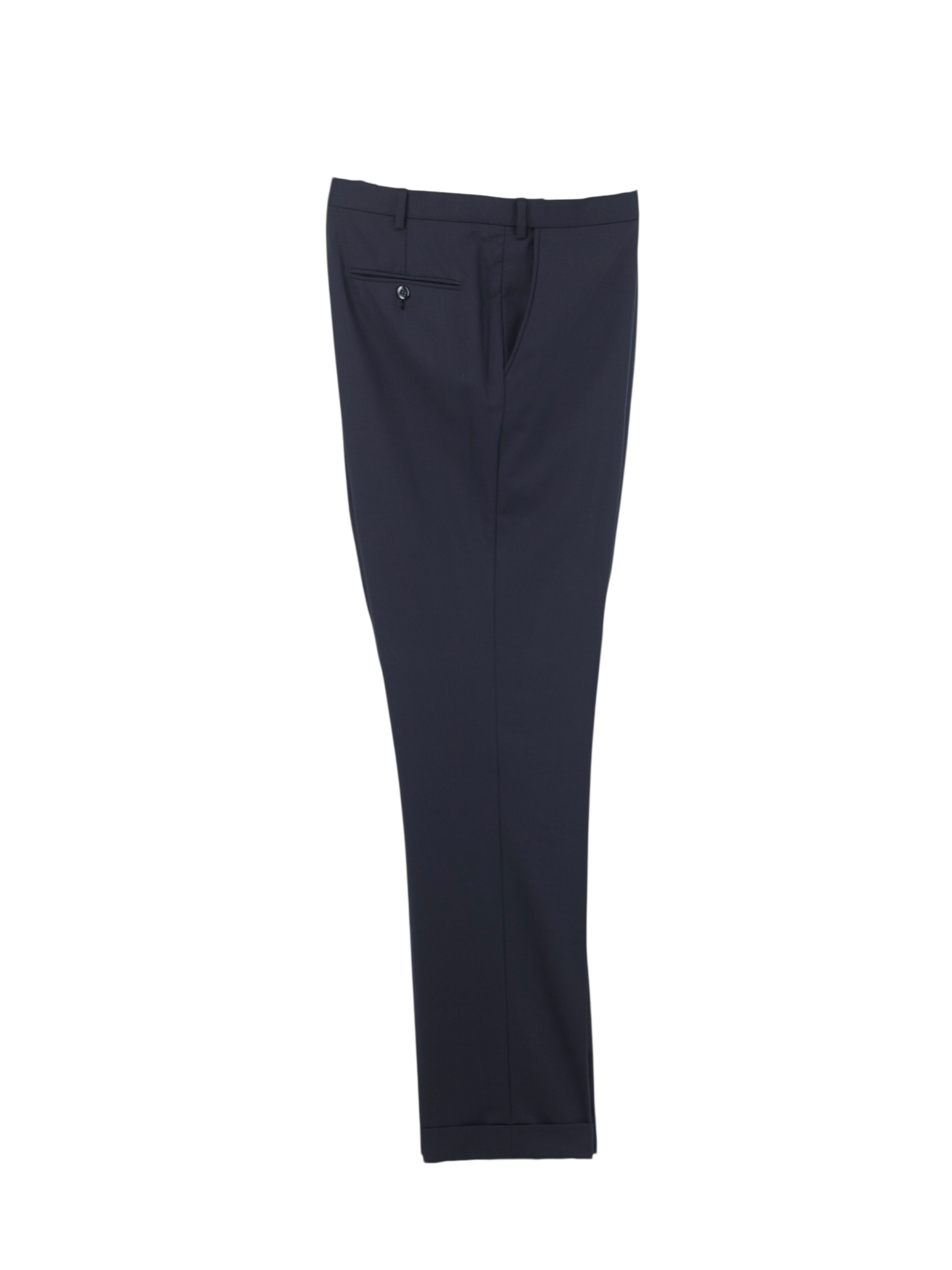
Flat Front
Flat-front trousers are a go-to for a modern, clean look. They became popular in the 1960s and 1970s when fashion started leaning towards simpler, more streamlined styles. Unlike pleated pants, flat fronts have no extra fabric at the waist, giving them a sleek appearance that's perfect for a slimmer silhouette. They fit right into both casual and business casual settings, making them incredibly versatile. As a result, they are a favorite for anyone looking to maintain a contemporary vibe in their wardrobe.
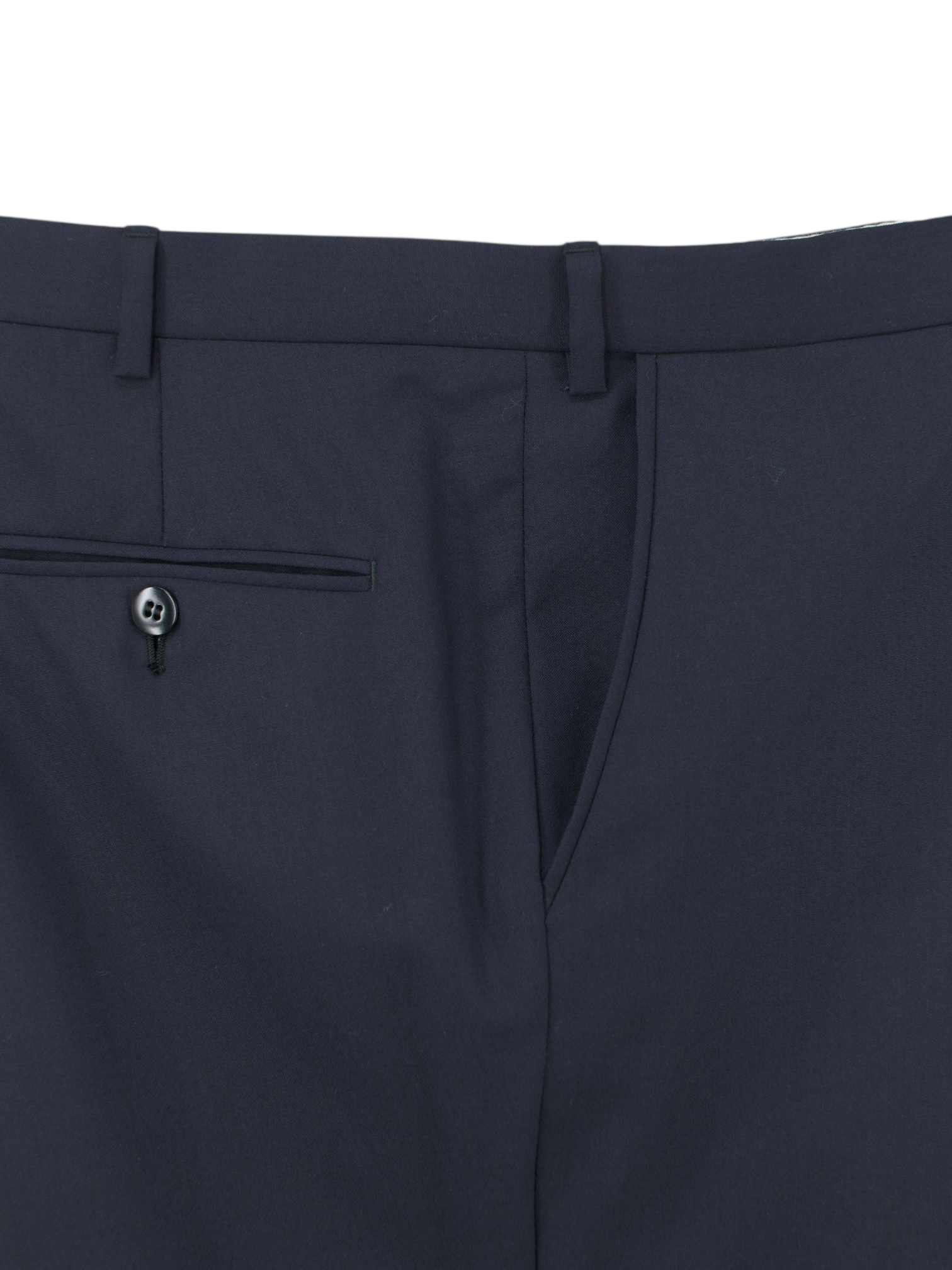
Belt Loops
Belt loops are the most common type of waistband found on trousers, providing the option to wear a belt for both style and practicality. Typically spaced evenly around the waistband, belt loops are a versatile feature that can accommodate a wide range of belt styles and sizes. This traditional waistband design is found in everything from casual jeans to formal dress pants, making it a timeless and adaptable option for any wardrobe. Belt loops offer the flexibility to customize your look while ensuring a secure fit.
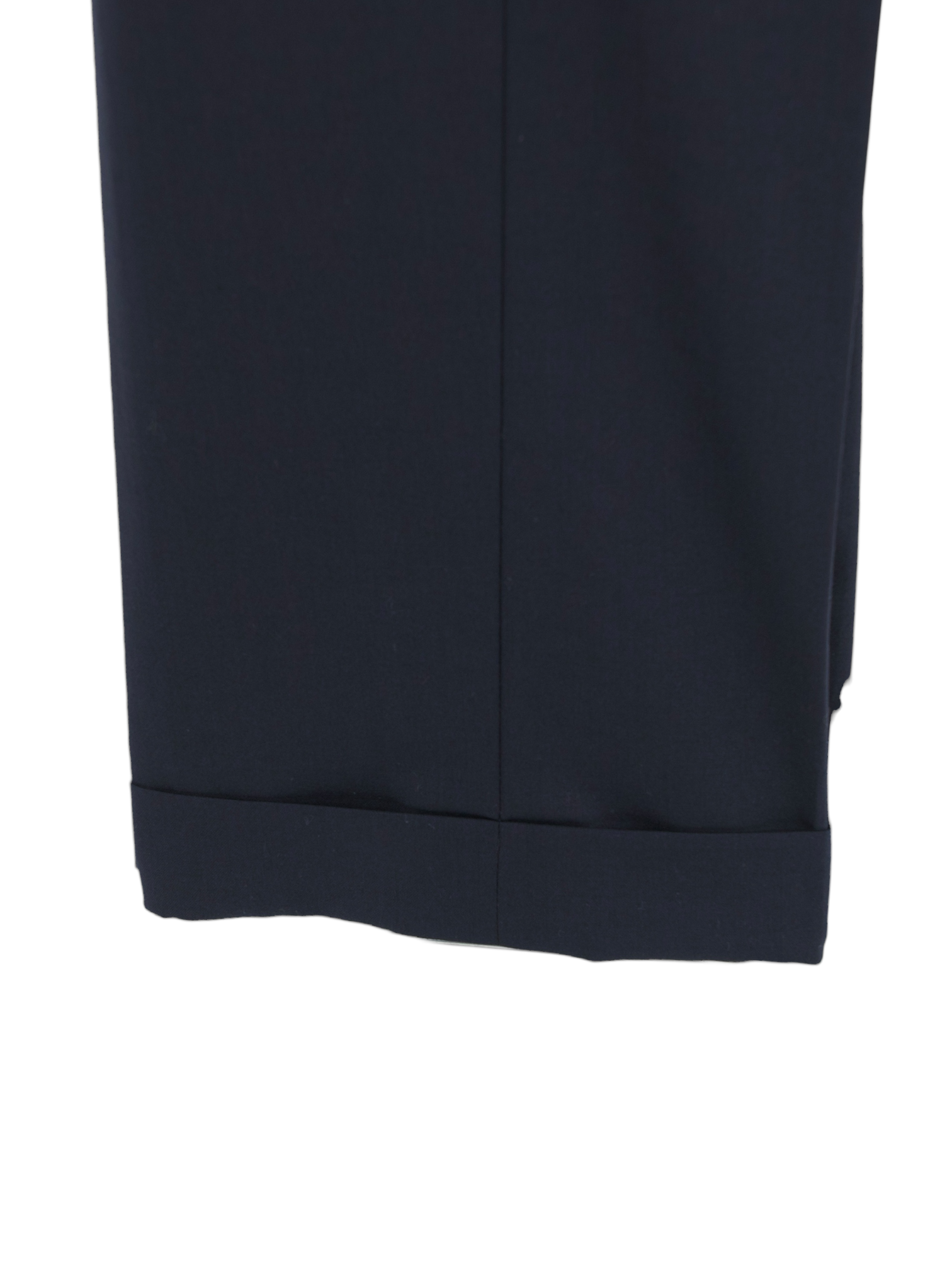
Turn-Up (Cuffed) Hem
The turn-up hem, or cuffed hem, is a classic style where the fabric at the bottom of the trousers is folded outward to create a visible cuff. This style originated with Edward VII in the late 19th century, who had his trousers tailored with cuffs to prevent them from getting muddy, sparking a trend among the fashionable elite. In the 1920s and 1930s, turn-ups became a symbol of wealth and sophistication, as having extra fabric was seen as a luxury. This association continued after World War II when wearing turn-ups subtly indicated affluence in an era of fabric rationing. Today, turn-up hems are a nod to their historical roots, offering a touch of classic elegance and enhancing the overall appearance of formal and tailored trousers.
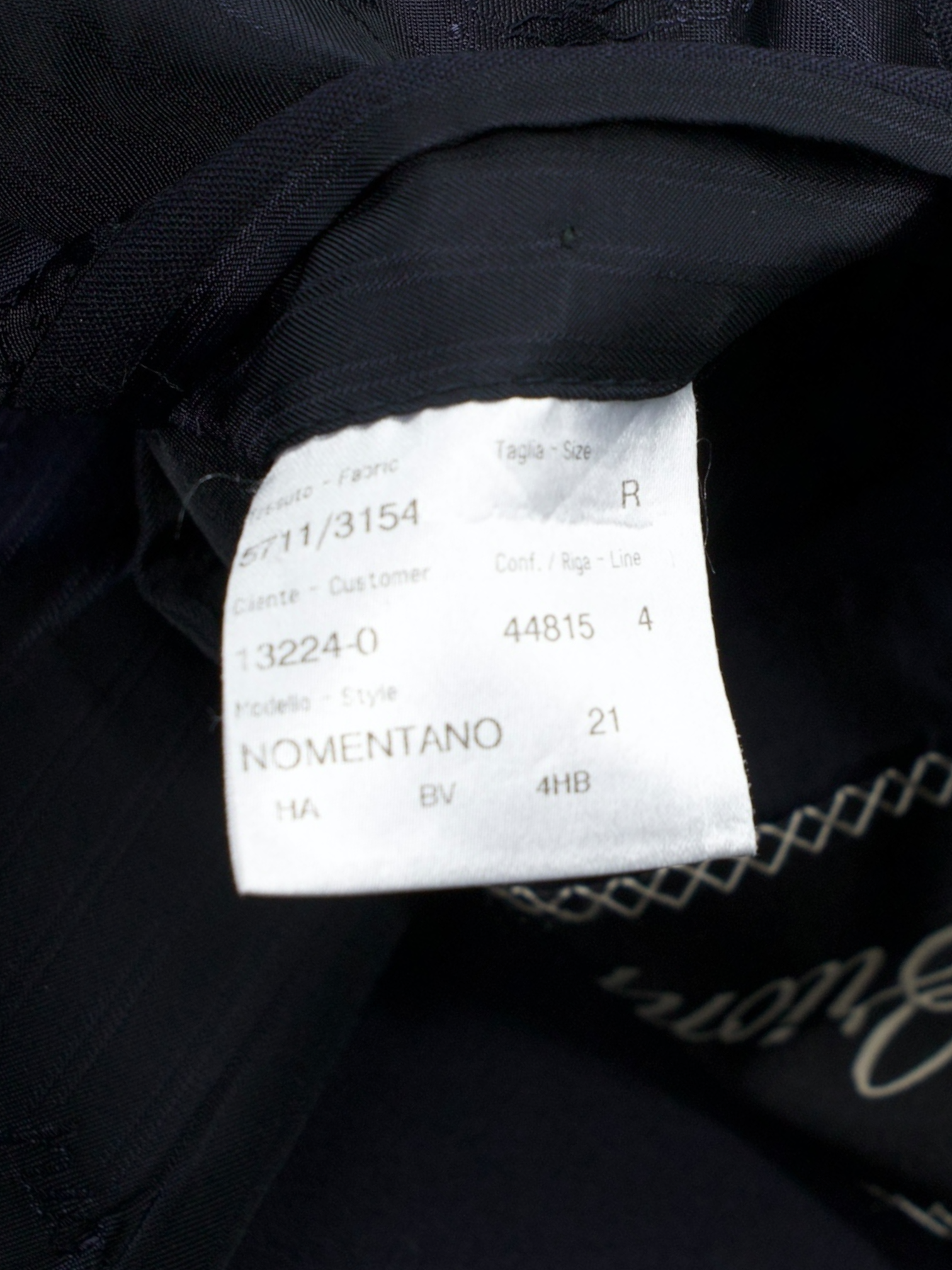
size
60 IT / 50 US / Extra Extra Extra Large